What Does the Word Seamstress Mean?

The term seamstress traditionally refers to a person who sews garments professionally, particularly someone who constructs, repairs, or alters clothing using sewing techniques. Historically, a seamstress was often a woman who specialized in stitching seams and assembling garments by hand or with a sewing machine.
Today, the seamstress meaning has broadened to include skilled professionals who handle clothing alterations, garment construction, and detailed sewing work. Seamstresses often work in tailoring shops, fashion studios, costume departments, or operate independent businesses providing alteration services.
What Is the Difference Between a Seamstress and a Sewist?
Although the words sound similar, a seamstress and a sewist are not always the same. A sewist is a more modern and gender-neutral term used to describe anyone who sews, whether professionally or as a hobby. Sewists may create clothing, quilts, home décor items, or creative textile projects.
The term has become popular within sewing communities because it includes all genders and reflects a broader creative practice. A seamstress, on the other hand, traditionally refers to someone who sews garments professionally, often focusing on alterations, repairs, and garment construction.
How Is a Tailor Different from a Seamstress?
Understanding the differences between a seamstress and a tailor helps clarify the roles within garment construction. A tailor is a specialist who focuses on creating and altering fitted garments, particularly structured clothing such as suits, jackets, and formalwear. Tailoring requires advanced pattern drafting, measurement, and fitting skills to ensure garments conform precisely to the wearer’s body.
While seamstresses may also perform alterations and garment construction, tailors typically work with structured garments that require detailed fitting techniques. Historically, tailoring was considered a specialized craft, often requiring formal apprenticeships and training.
What Skills Does a Seamstress Need?
To fully understand the seamstress meaning, it is helpful to look at the range of skills involved in the profession. A skilled seamstress must understand fabric behavior, garment construction methods, sewing machine operation, and finishing techniques.
Alterations are one of the most common services provided by seamstresses, which means they must also know how to adjust garments without compromising their structure. Precision, patience, and attention to detail are essential qualities for anyone working as a seamstress. Many seamstresses also develop expertise in specific areas such as bridal alterations, costume sewing, or custom garment creation.

Where Do Seamstresses Typically Work?
Seamstresses work in a wide variety of settings within the fashion and textile industries. Some operate small alteration businesses where they repair clothing, adjust garment sizes, and customize items for clients. Others work in fashion studios assisting designers with sample garments and prototypes.
Seamstresses are also essential in the entertainment industry, where costume departments rely on skilled professionals to construct and alter garments for film, television, and theatre productions. In many cases, seamstresses work independently, building loyal client bases through word-of-mouth and reputation for quality craftsmanship.
Can a Sewist Become a Professional Seamstress?
Many people who begin sewing as a hobby eventually develop the skills needed to work professionally as a seamstress. The transition from sewist to seamstress often involves gaining experience with garment construction, learning alteration techniques, and developing speed and accuracy with sewing equipment.
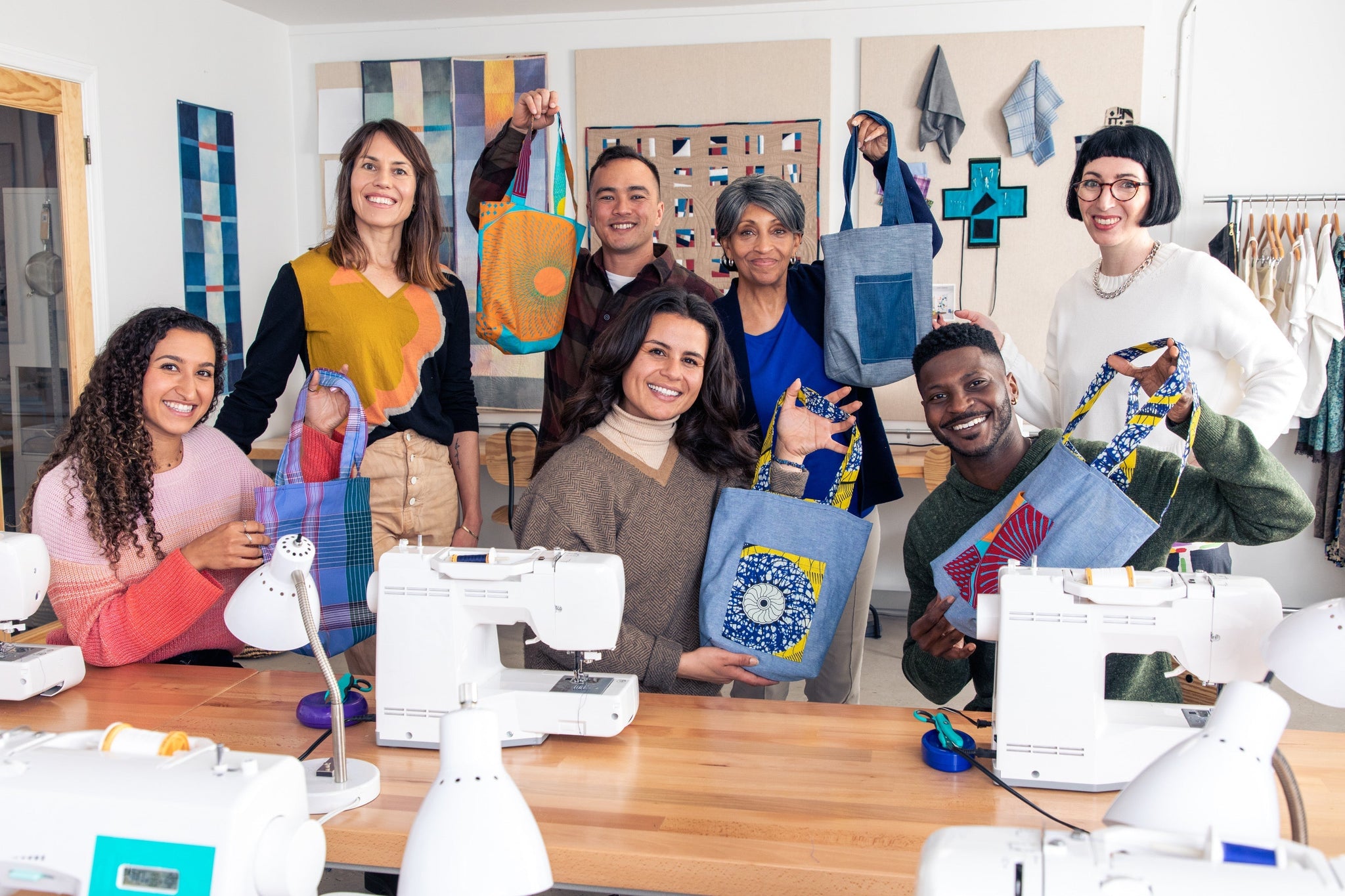
Workshops and structured learning environments can help build these skills more efficiently. For those interested in refining their sewing techniques and gaining practical experience, hands-on courses such as the Private Sewing Workshop provide personalized instruction and guidance.
What Types of Sewing Projects Do Seamstresses Handle?
Seamstresses work on a wide range of sewing projects depending on their specialization. Common tasks include hemming pants, adjusting dress fittings, repairing torn seams, replacing zippers, and altering formalwear.
Some seamstresses also create custom garments from scratch, including dresses, skirts, shirts, and costumes. Others focus on bridal alterations or custom tailoring for special events. Because clothing varies widely in fabric, structure, and design, seamstresses must be adaptable and comfortable working with many types of materials.

Why Do Many People Prefer Professional Seamstresses for Alterations?
Clothing alterations require a level of precision that can be difficult for beginners to achieve. A professional seamstress understands how garments are constructed and knows how to adjust them while preserving their original shape and structure.
This expertise is especially important for delicate fabrics, formal garments, or pieces with complex seams. A skilled seamstress can often transform an ill-fitting garment into one that fits perfectly, extending the life of the clothing and improving its appearance.
How Can Beginners Start Learning Sewing Skills?
Anyone interested in sewing can begin developing the skills needed to understand the seamstress profession. Learning the basics of sewing machine operation, fabric selection, and garment construction provides a solid foundation for future projects.
Structured classes can help beginners progress faster by providing guided instruction and hands-on practice. Courses like the Intro to Sewing workshop introduce beginners to essential sewing techniques while helping them build confidence with sewing tools and materials.
Why Understanding the Seamstress Meaning Matters in Fashion
Understanding the seamstress meaning helps clarify the important role that sewing professionals play within the fashion industry. Seamstresses, sewists, and tailors each contribute unique skills that support garment creation, customization, and repair. From altering everyday clothing to assisting designers with new collections, these professionals ensure that garments fit properly and maintain their quality over time.
Whether someone chooses to pursue sewing as a creative hobby or as a professional career, the skills associated with a seamstress remain essential to the world of fashion and garment craftsmanship.