What Are the Main Types of Fabrics Used in Sewing and Fashion?

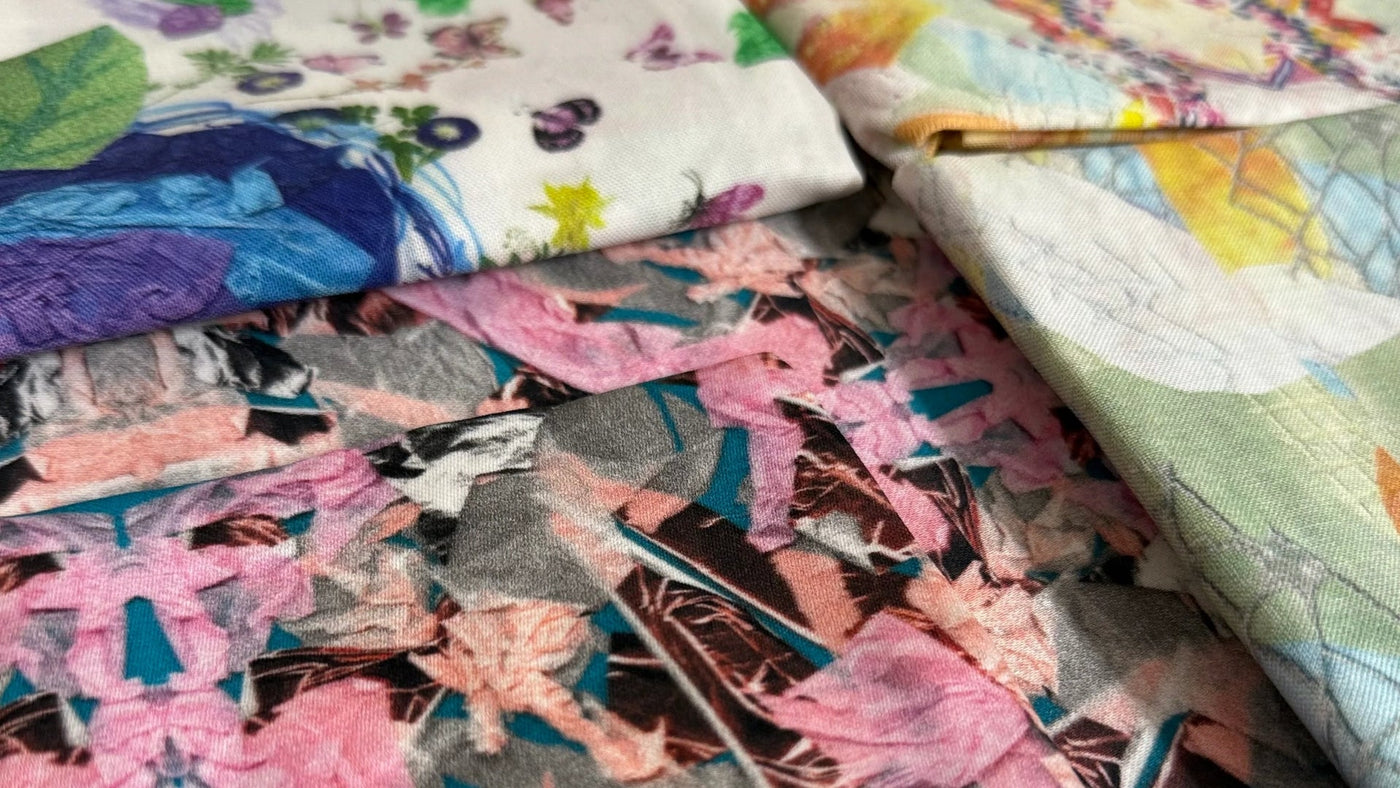
Types of fabrics play a central role in fashion design, sewing, and garment construction. The material chosen for a project affects how a garment drapes, how comfortable it feels against the skin, and how durable it will be over time. Some fabrics are light and breathable, making them ideal for warm weather clothing, while others provide structure, insulation, or stretch.
Understanding the different types of fabrics allows designers, sewists, and creators to choose materials that match the purpose and aesthetic of their designs. From everyday cotton to luxurious silk, each fabric brings unique characteristics that influence both the creative process and the final result.
What Are Natural Fabrics and Why Are They Popular?
Among the most widely used types of fabrics are natural fibers, which come directly from plants or animals. Cotton, linen, wool, and silk have been used for centuries because of their comfort, breathability, and natural texture. Cotton is one of the most common fabrics in everyday clothing thanks to its softness and versatility.
Linen, made from flax fibers, is prized for its lightweight feel and cooling properties, making it ideal for summer garments. Wool provides warmth and insulation, while silk is valued for its smooth texture and luxurious appearance. Natural fabrics are often favored for their comfort and sustainability, and they remain a staple in both casual and high-end fashion design.
What Are Synthetic Fabrics and How Are They Made?
Synthetic textiles represent another major category within the types of fabrics used today. Unlike natural fibers, synthetic fabrics are manufactured through chemical processes, often derived from petroleum-based materials. Common synthetic fabrics include polyester, nylon, acrylic, and spandex. These materials are engineered to provide specific performance characteristics such as durability, elasticity, or moisture resistance.
Polyester, for example, is widely used in activewear and everyday garments because it is wrinkle-resistant and long-lasting. Spandex adds stretch and flexibility, making it ideal for fitted clothing and athletic apparel. Synthetic fabrics have become essential in modern fashion because they allow manufacturers to create textiles with consistent quality and specialized performance features. More about textile classifications can be explored through resources like Wikipedia’s textile overview.
What Are Blended Fabrics and Why Are They Used?
Many garments today are made using blended materials, which combine two or more fibers to achieve improved performance. Fabric blends allow designers to merge the strengths of different materials while minimizing their weaknesses. For example, a cotton-polyester blend offers the softness and breathability of cotton while maintaining the wrinkle resistance and durability of polyester.
Wool blends may incorporate synthetic fibers to improve elasticity or reduce shrinkage. Blended textiles are particularly common in modern fashion because they create fabrics that are practical, comfortable, and easy to maintain. Understanding blended fabrics is an important part of learning about the many types of fabrics available to designers and makers.

How Do Fabric Weaves and Structures Affect the Types of Fabrics?
The structure of a fabric is just as important as the fiber it is made from. Fabric construction techniques such as weaving, knitting, and nonwoven manufacturing influence how a textile behaves. Woven fabrics, including denim and canvas, are created by interlacing threads in a structured pattern, which often results in durable and stable materials.
Knitted fabrics, such as jersey, are formed through looping yarns together, creating stretch and flexibility that make them ideal for comfortable garments. These structural differences mean that even fabrics made from the same fiber can behave very differently depending on how they are constructed. Learning about weave and structure helps designers better understand the wide variety of types of fabrics available.
Which Types of Fabrics Are Best for Different Sewing Projects?
Selecting the right fabric depends heavily on the type of project being created. Lightweight fabrics such as chiffon or cotton voile are often used for blouses and flowing garments because they drape softly. Medium-weight fabrics like twill or poplin work well for shirts, dresses, and everyday clothing.
Heavier fabrics such as denim, canvas, or wool are typically used for outerwear, structured garments, or durable pieces. For beginners learning sewing techniques, starting with stable fabrics like cotton can make the process easier and more predictable. Educational workshops such as the Intro to Sewing course often begin with simple fabrics that are easy to cut, sew, and press.
Why Is Fabric Choice Important for Fashion Design?
Fabric selection is one of the most critical decisions in fashion design because it directly influences the silhouette and functionality of a garment. Designers often choose fabrics based on their texture, weight, stretch, and movement. A flowing dress may require lightweight silk or chiffon, while structured garments may rely on heavier materials such as wool or denim.
Fabric also contributes to the visual impact of a design, affecting how light reflects off the surface and how colors appear. Understanding different types of fabrics allows designers to translate creative ideas into garments that look and feel exactly as intended. Learning these principles is a key part of many design-focused classes such as the Dress Workshop II.
How Can Beginners Learn to Identify Different Types of Fabrics?
For beginners, learning to recognize fabrics often begins with hands-on experience. Touching, stretching, and examining textiles helps identify characteristics such as softness, thickness, elasticity, and weave structure.
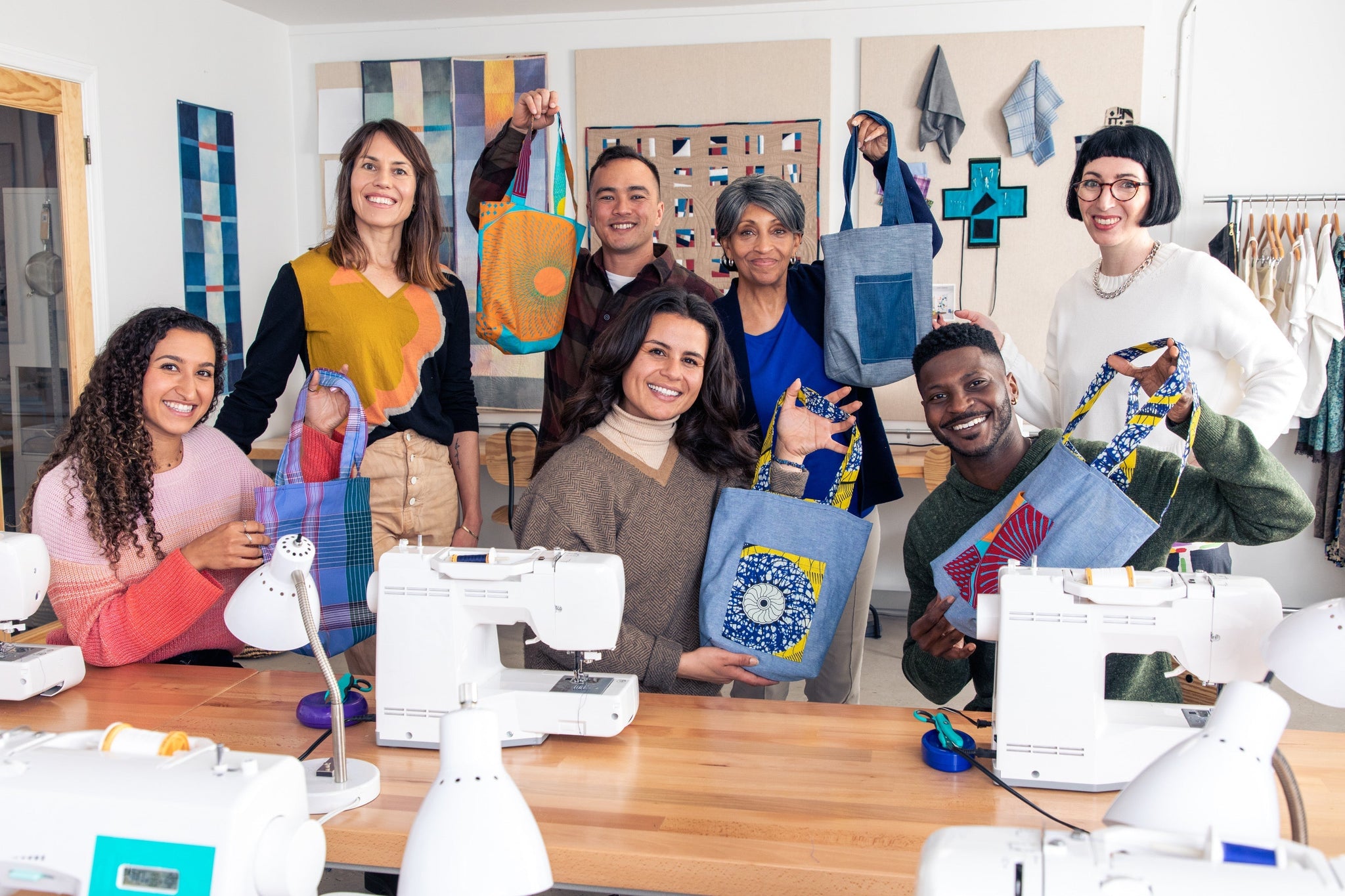
Fabric stores and sewing classes provide opportunities to handle a variety of materials and understand their differences. Over time, makers develop an intuitive sense for selecting the right fabric for each project. Structured courses like the Intro to Sewing 4 Week Workshop and the Intro to Sewing 4 Week Workshop Part 2, guide students through fabric selection, sewing fundamentals, and garment construction techniques, helping them build confidence with different types of fabrics.

How Do Types of Fabrics Influence Sustainability in Fashion?
The types of fabrics used in clothing also play a significant role in sustainability. Natural fibers such as organic cotton, hemp, and linen are often favored for their biodegradability and lower environmental impact compared to many synthetic textiles. At the same time, recycled polyester and other innovative materials are helping reduce waste in the fashion industry. Designers and consumers alike are becoming more conscious about the materials they use and wear.
By understanding the characteristics and environmental impact of various textiles, creators can make more responsible decisions when choosing fabrics for their projects. Additional background on fabric fibers can be explored through resources like Wikipedia’s fiber article.
Why Understanding Types of Fabrics Improves Sewing Skills
Learning about the many types of fabrics helps makers improve both their technical sewing skills and their creative decision-making. Different fabrics require different handling techniques, sewing needles, thread types, and finishing methods. By experimenting with a range of materials, sewists gain a deeper understanding of how fabric behaves during cutting, stitching, and pressing.
Over time, this knowledge allows designers and creators to approach projects with greater confidence and precision. Understanding fabric is one of the most important foundations for anyone interested in sewing, fashion design, or garment construction.