
Confidence building activities for kids work best when children get to try something real, make decisions, solve small problems and feel proud of the result. Confidence does not usually grow from being told, “You can do it.” It grows when a child experiences the moment for themselves: “I tried, I kept going, and I made this.”
That is why hands-on creative projects can be so powerful. When kids sew, draw, build, design or make something from scratch, they are not only keeping busy. They are practicing patience, focus, problem-solving and independence in a way that feels fun and memorable.
For children who enjoy fashion, design, color, fabric or making things with their hands, sewing can be especially confidence-boosting. It gives them a clear starting point, a process to follow and a finished project they can take home. Whether they make a scrunchie, tote bag, pouch, skirt, top or fashion design piece, the end result becomes proof of their effort.
At Moving Thread in Los Angeles, kids and family sewing workshops are designed to help young makers build confidence through creative, age-appropriate projects. With supportive instruction, small groups and beginner-friendly guidance, children can learn new skills while experiencing the pride that comes from making something themselves.
Why Are Creative Projects Good Confidence Building Activities for Kids?
Creative projects help children build confidence because they give kids ownership over the process. Instead of only following instructions on a screen or completing a worksheet, children get to make choices with their hands. They choose colors, materials, shapes, details and finishes. They see their idea become something physical.
This process matters because confidence grows through action. A child learns, “I can figure this out.” They also learn that mistakes are not the end of the project. A crooked stitch, a tangled thread or a tricky step becomes part of learning how to keep going.
Creative projects also make progress visible. Kids can see where they started and what they finished. That visible progress is one of the reasons hands-on activities feel so rewarding.
What Kinds of Activities Help Kids Build Confidence?
The best confidence building activities for kids usually have a few things in common. They are hands-on, age-appropriate, creative and challenging enough to feel exciting without becoming overwhelming.
Good confidence-building activities include:
- Sewing workshops
- Fashion design projects
- Drawing and sketching
- Pottery or clay work
- Painting classes
- Building projects
- Cooking or baking
- Gardening
- Music lessons
- Drama or performance activities
- Team-based creative projects
- Parent and child workshops
The activity itself does not have to be perfect. What matters is that the child gets to participate, make decisions, practice a skill and finish something they can be proud of.
Confidence Building Activities for Kids: What Each Activity Supports
Different creative activities support confidence in different ways. Some help kids become more patient. Others help them express ideas, make decisions or feel comfortable trying something new.
| Activity Type | Confidence Skill It Builds | Why It Helps |
|---|---|---|
| Sewing workshops | Patience, focus and problem-solving | Kids follow steps, use tools safely and complete a take-home project. |
| Fashion design projects | Creative expression and decision-making | Kids choose colors, shapes, fabrics and design details that reflect their ideas. |
| Painting or drawing | Self-expression and creative risk-taking | Children explore ideas visually without needing one perfect answer. |
| Cooking or baking | Independence and responsibility | Kids follow a process and see how their effort creates a real result. |
| Parent and child workshops | Emotional confidence and shared learning | Children try something new with a trusted adult nearby for support. |

How Does Sewing Build Confidence in Kids?
Sewing builds confidence because it combines creativity with practical skill. Children learn how to work with tools, follow steps and solve problems. They also learn that a finished project does not appear instantly. It takes focus, care and patience.
For many kids, using a sewing machine for the first time feels exciting and a little intimidating. With proper guidance, that nervousness can turn into pride. Once they learn how to control the machine, guide fabric and complete basic stitches, they begin to feel more capable.
A sewing project also gives children a physical reminder of what they achieved. A scrunchie, reversible tote bag, zippered pouch, skirt or top is not just a class activity. It is something they made. That finished item can help reinforce the feeling: “I can learn new things.”
Why Is It Important for Kids to Make Something They Can Take Home?
A take-home project gives children a sense of completion. It turns the experience into something they can hold, use, wear, show or gift. This matters because confidence often becomes stronger when children can point to a result and say, “I made that.”
In many creative activities, the finished project becomes a memory of effort. Kids remember choosing the fabric, learning the machine, asking for help, fixing a mistake and finishing the final step. That memory builds pride.
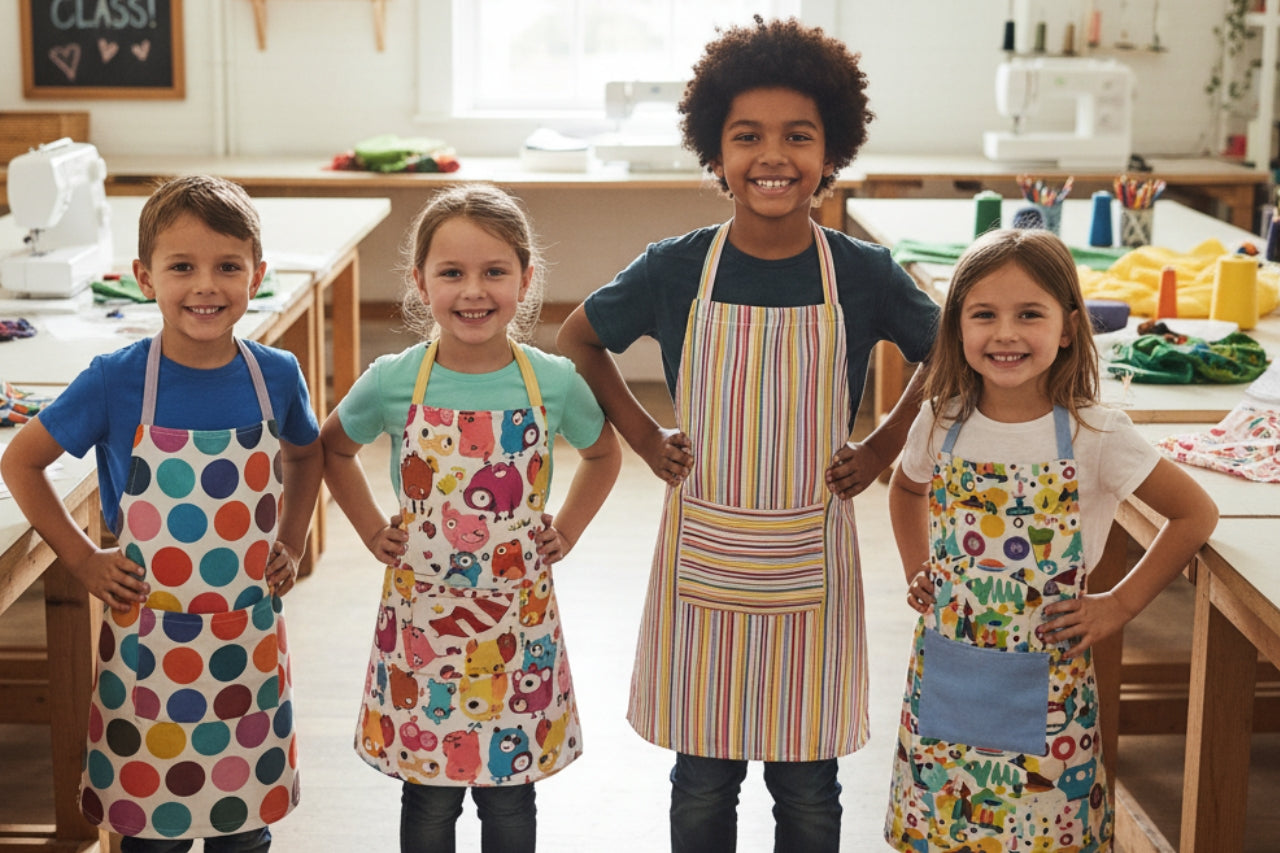
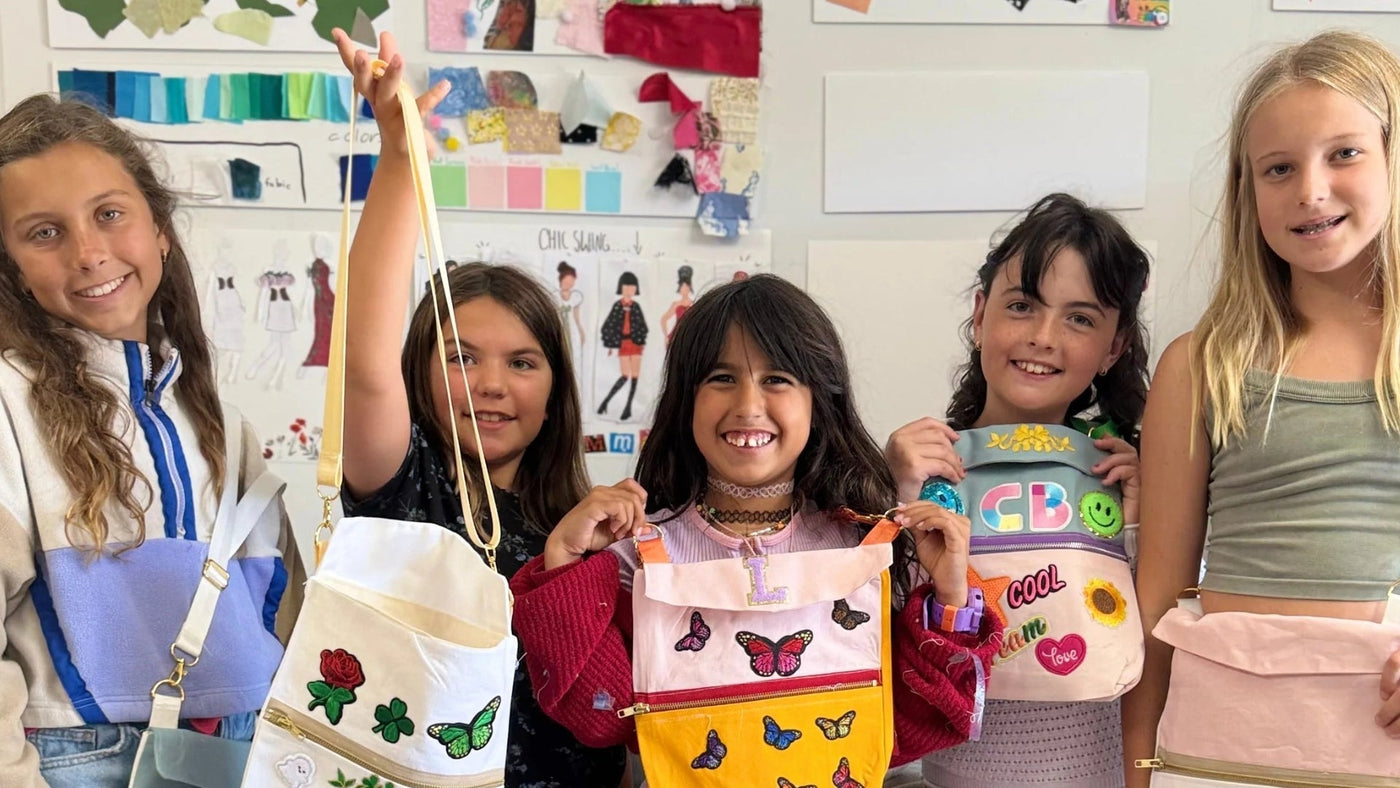
Moving Thread’s Kids Sewing Workshops are built around this idea. Children learn beginner-friendly sewing skills and work on fun projects they can take home at the end of class. Projects may include scrunchies, reversible tote bags, zippered pouches, holiday stockings, tree ornaments, skirts and tops.
Can Sewing Help Kids Learn Patience and Focus?
Yes. Sewing can help kids practice patience and focus because it requires them to slow down and pay attention to each step. They need to listen, measure, guide fabric, follow lines, control speed and notice details.
This does not mean the process has to feel strict or stressful. In a supportive workshop, kids can learn these skills through play, creativity and encouragement. They get to practice focus without feeling like they are sitting through a lecture.
Sewing also teaches kids that rushing can affect the outcome. If they slow down, the result improves. That lesson can be very empowering because it shows children that their attention and effort make a visible difference.
What If My Child Has Never Sewn Before?
Your child does not need previous sewing experience to start with a beginner-friendly kids workshop. A good class introduces the machine slowly, explains the basics and supports kids through their first project.
At Moving Thread, Kids Sewing Workshops begin with a 15 to 20 minute introduction to the sewing machine. First-time sewers learn basic stitches before beginning a project. If a child already knows the basics, they can move into the project more quickly.
This makes the workshop flexible for different comfort levels. Complete beginners can start with the foundation, while kids with some experience can continue building their skills.

What Age Is Best for Kids Sewing Classes?
Moving Thread’s Kids Sewing Workshops are designed for ages 8 to 12. This age range is a good fit because children are usually ready to follow step-by-step instruction, work with tools safely and stay engaged through a guided creative project.
Moving Thread also offers Parent and Child Intro to Sewing for children ages 8 to 12 accompanied by a parent or guardian. This is a helpful option for families who want to learn together, especially if a child feels more comfortable trying something new with a trusted adult nearby.
For children who are especially interested in fashion and design, Moving Thread’s STITCHED Fashion Camp is designed for kids ages 8 to 13 and gives young makers a fuller fashion design experience.
Why Are Small Groups Helpful for Building Confidence?
Small groups help children feel seen and supported. In a smaller workshop, kids have more chances to ask questions, get individual attention and receive encouragement when they need it.
This can make a big difference for children who are shy, nervous or worried about making mistakes. When the environment feels supportive, kids are more likely to try, ask for help and continue after a difficult step.
Moving Thread’s Kids Sewing Workshops are designed with small groups and plenty of individual attention. This helps young students feel guided without losing the excitement of working alongside other kids.
How Can Creative Activities Help Kids Who Are Shy or Unsure?
Creative activities can be especially helpful for shy or unsure children because they do not always require a child to perform, compete or speak in front of a group. Instead, the child can build confidence quietly through doing.
Sewing gives children something to focus on outside of themselves. They can concentrate on the fabric, machine, colors and project steps. As they make progress, confidence starts to grow naturally.
For shy kids, a finished project can also become a gentle way to share. They may not want to talk about themselves, but they might feel excited to show what they made.
Are Parent and Child Workshops Good for Confidence?
Yes. Parent and child workshops can be excellent confidence building activities because children get to try something new with emotional support nearby. Instead of being dropped into a new environment alone, they share the experience with a parent or guardian.
Moving Thread’s Parent and Child Intro to Sewing is designed for children ages 8 to 12 with one parent or guardian. Students learn how to set up and thread a sewing machine, practice beginner stitches and complete a small creative project together.
This kind of workshop can be meaningful because it gives families screen-free time, shared learning and a finished project connected to a memory.
What Makes Fashion Design a Confidence-Building Activity?
Fashion design helps kids build confidence because it gives them space to express their personal style. Children get to think about color, fabric, shape, mood, character and how clothing communicates ideas.
For kids who love drawing, clothes or creative storytelling, fashion design can feel especially exciting. It allows them to imagine something and then learn the steps needed to bring that idea closer to life.
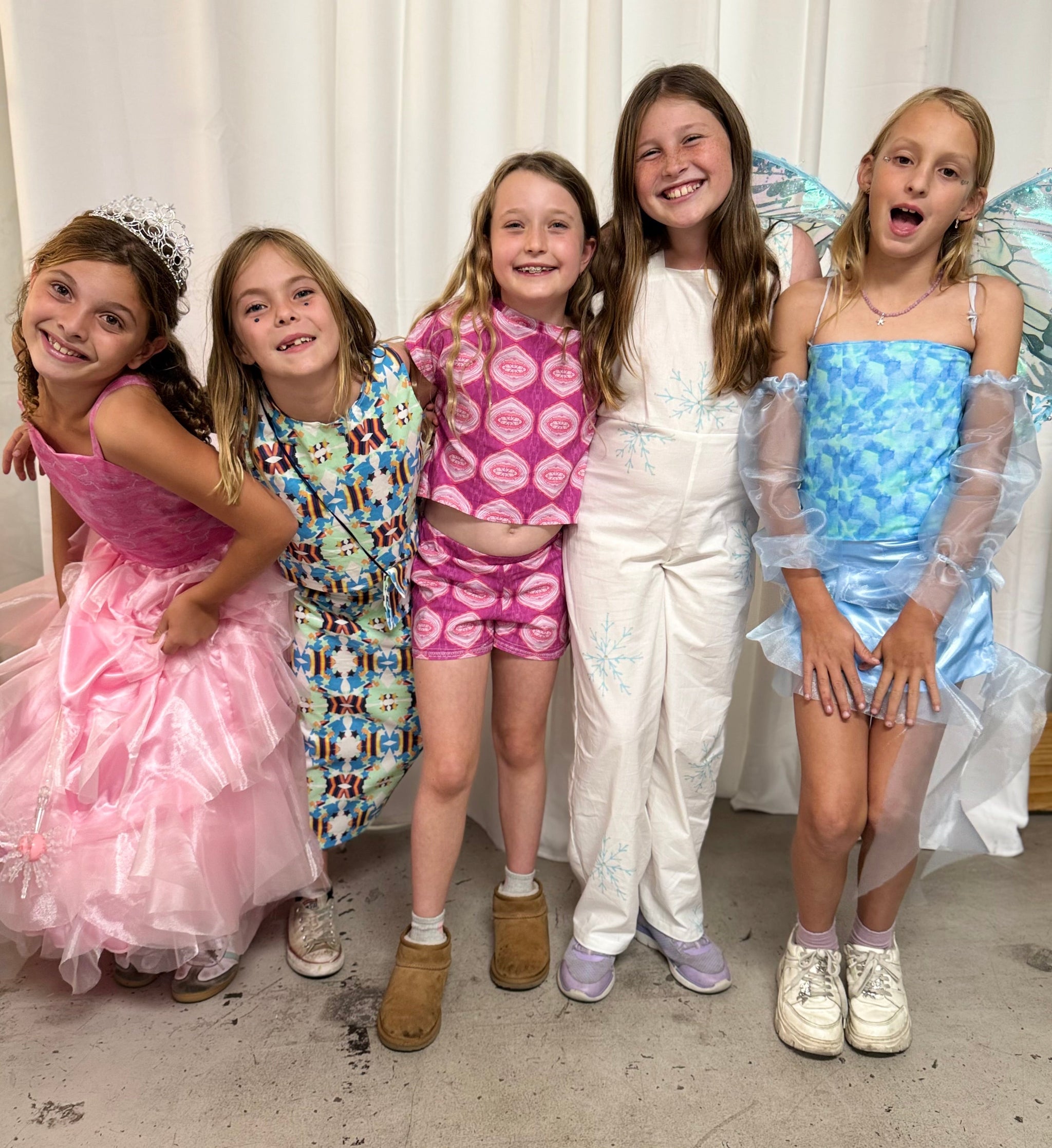
Moving Thread’s STITCHED Fashion Camp gives kids ages 8 to 13 a hands-on fashion design experience. Campers work with ideas like inspiration boards, color stories, fashion illustrations, embellishment and garment construction, and the week ends with a family-friendly fashion show.
That kind of process can be deeply confidence-building because children are not only making something. They are learning to present their creative point of view.
How Do Finished Projects Help Kids Feel Proud?
Finished projects help kids feel proud because they turn effort into evidence. Children can see the result of their patience, choices and problem-solving. They can use it, wear it or share it.
Pride is important for confidence because it gives children a positive memory of trying something difficult. The next time they face a challenge, they can remember that they have finished something before.
In sewing, this feeling can be especially strong because the project is useful. A child might wear the scrunchie, carry the tote bag, use the pouch or show a garment to family. The item becomes part of their everyday world, not just something they made once.

What Should Parents Look for in Confidence Building Activities for Kids?
Parents should look for activities that are supportive, hands-on and age-appropriate. The best activities allow children to try new skills without pressure to be perfect.
A good confidence-building activity should offer:
- Clear guidance
- Encouragement
- A safe learning environment
- Room for creativity
- Age-appropriate tools and projects
- A finished result or visible progress
- Support when mistakes happen
- Opportunities for independence
- A sense of fun
For sewing specifically, parents should also look for proper instruction, safe machine use, provided materials and projects suited to the child’s age and skill level.
How Can Parents Encourage Confidence After the Workshop?
Parents can help confidence grow after the workshop by celebrating effort, not only the finished item. Instead of focusing on whether the project looks perfect, ask about the process.
Helpful questions include:
- What was your favorite part?
- What was the trickiest step?
- What did you learn?
- What would you like to make next?
- What are you proud of?
- Did anything surprise you?
These questions help children reflect on their own growth. They also reinforce the idea that confidence comes from learning, practicing and continuing.
Which Moving Thread Workshop Is Best for Confidence Building?
The best workshop depends on your child’s age, interest and comfort level.
For children ages 8 to 12 who want a beginner-friendly creative sewing experience, Kids Sewing Workshops are a strong option. They include machine introduction, guided projects, small groups, individual attention and take-home items.
For a shared family experience, Parent and Child Intro to Sewing is ideal for children ages 8 to 12 with a parent or guardian. It is beginner-friendly and designed for meaningful screen-free creative time.
For kids ages 8 to 13 who are passionate about clothing, fashion and design, STITCHED Fashion Camp offers a fuller creative experience with fashion sketching, sewing, garment construction and a runway-style finish.
Confidence Grows When Kids Make Something Real
The most meaningful confidence building activities for kids are not always the loudest or most complicated. Sometimes confidence grows quietly while a child is concentrating on fabric, choosing colors, learning a new tool or finishing the last step of a project.
Creative projects give children a chance to see themselves as capable. Sewing is especially powerful because it combines imagination with real-world skill. Kids learn how to make something useful, recover from small mistakes and feel proud of what their hands can do.
At Moving Thread, kids and family sewing workshops are designed to support that kind of growth. Whether your child is trying a sewing machine for the first time, making a take-home project, learning alongside a parent or exploring fashion design in a camp setting, the goal is not perfection. The goal is confidence, creativity and the joy of making something real.