
Slow fashion is about choosing clothing more thoughtfully, wearing pieces for longer and learning how to care for what you already own. It is not only about buying from ethical brands or avoiding fast fashion. It is also about changing your relationship with clothing so garments feel less disposable and more personal.
For many people, slow fashion starts with one simple shift: looking at the clothes already in the closet and asking, “Can this be repaired, adjusted, reworked or worn again?” A dress that does not fit quite right may only need a small alteration. A pair of pants may need hemming. A plain tote, pouch or handmade piece may become a reminder that clothing and textiles are not just products. They are objects we can understand, care for and create.
Learning to sew supports slow fashion because it gives you practical skills. When you understand how fabric, seams, hems and construction work, you can make better choices. You can mend small issues before they become reasons to throw something away. You can alter pieces so they fit better. You can make simple items yourself and feel proud of the time and care behind them.
At Moving Thread in Los Angeles, sewing workshops are designed to help beginners and growing sewists build confidence through hands-on projects. From Intro to Sewing to the Alterations Workshop, students learn skills that connect naturally to the slow fashion mindset: making, mending, rewearing and seeing possibility in clothing again.
What Is Slow Fashion?
Slow fashion is a more thoughtful approach to clothing. It focuses on quality, care, creativity and longer use instead of constant buying and quick replacement. At its heart, slow fashion asks people to slow down before purchasing something new and consider whether they can repair, restyle, reuse or make better use of what they already have.
This does not mean your wardrobe has to be perfect. It does not mean you need to sew every garment from scratch or stop enjoying fashion. Slow fashion is more realistic than that. It is about becoming more aware of how clothing is made, how often it is worn and what happens when it no longer feels useful.
For some people, slow fashion looks like buying fewer pieces. For others, it means mending clothing, tailoring garments, upcycling old items or learning how to sew. Each small decision helps shift clothing from something disposable into something more meaningful.
Why Does Slow Fashion Matter?
Slow fashion matters because clothing has become easy to buy and easy to discard. Trends move quickly, and many garments are treated as temporary. But the clothes we wear take materials, labor, transport and energy to produce. When we learn to value clothing for longer, we reduce waste and become more intentional about what we bring into our lives.
Slow fashion also matters on a personal level. When you know how to repair a seam, hem a garment or make a simple project, you feel less dependent on buying something new every time a piece no longer works perfectly. You gain confidence. You begin to understand your own style better. You also develop patience and appreciation for the work that goes into making clothes.
This is where sewing becomes powerful. Sewing turns slow fashion from an idea into a skill you can actually use.
How Does Sewing Support Slow Fashion?
Sewing supports slow fashion because it helps you understand how clothing is built. Once you learn the basics, you start seeing garments differently. You notice seams, hems, fabric choices, pockets, linings, fastenings and fit. You begin to understand why some pieces last longer than others and why some clothes are worth repairing.
Sewing also gives you options. Instead of throwing away a garment because one part is not working, you can think through the problem. Can the hem be shortened? Can the seam be repaired? Can the waist be adjusted? Can the fabric be reused for another project? Can the piece become something new?
Moving Thread’s beginner workshops are especially useful for people who want to build this foundation. The Intro to Sewing workshop teaches students how to set up and thread a sewing machine, practice basic stitches and complete a simple tote bag project. It is designed for beginners or anyone who wants a refresher before continuing with more involved sewing projects.

Slow Fashion Habits and the Sewing Skills That Support Them
Slow fashion becomes easier when it is connected to practical habits. Sewing helps turn those habits into skills you can use again and again.
| Slow Fashion Habit | Helpful Sewing Skill | How It Helps Your Wardrobe |
|---|---|---|
| Rewearing clothes more often | Basic repairs and fit adjustments | Makes favorite pieces easier to keep in rotation. |
| Repairing instead of replacing | Mending seams, holes and loose details | Helps clothing last longer before it is discarded. |
| Improving fit | Hemming and simple alterations | Turns almost-right garments into pieces you actually wear. |
| Using fabric more thoughtfully | Upcycling and small project construction | Gives old textiles a new purpose instead of wasting them. |
| Buying less and choosing better | Understanding garment construction | Helps you recognize quality, fit and fabric choices before buying. |
Can Beginners Be Part of Slow Fashion?
Yes. You do not need years of sewing experience to start practicing slow fashion. Beginners can begin with very simple actions: repairing a small tear, learning to sew on a button, hemming a basic item or taking a beginner sewing class to understand how a sewing machine works.
The most important thing is to start where you are. A total beginner may not be ready to alter a complicated garment immediately, but they can learn the machine, practice stitches and complete a simple project. That first finished project can build the confidence needed to keep going.
Moving Thread’s Intro to Sewing 4 Week Workshop is a strong option for beginners who want a broader foundation. Students learn machine basics, become familiar with sewing tools and complete three projects: a reversible tote bag with a patch pocket, a lined zippered pouch and a pair of pants with inseam pockets and an elasticated waistband. The workshop is designed for students with no previous sewing experience, and all materials and equipment are supplied.
Those kinds of projects matter because they teach more than one skill. A tote bag teaches construction. A zippered pouch teaches finishing and function. A pair of pants teaches fit, hems and garment confidence. Together, they create a practical foundation for anyone interested in slow fashion.
What Is the Connection Between Mending and Slow Fashion?
Mending is one of the simplest and most important parts of slow fashion. It keeps clothing in use for longer and helps people value what they already own. A small repair can save a garment from being forgotten, donated too soon or thrown away.
Mending can include fixing a torn seam, repairing a hole, reattaching a strap, replacing a button, reinforcing a weak area or patching worn fabric. Some mending is almost invisible. Other mending is decorative and becomes part of the garment’s personality.
Learning to mend also changes your mindset. Instead of seeing damage as the end of a garment’s life, you start seeing it as a project. That shift is a big part of slow fashion.
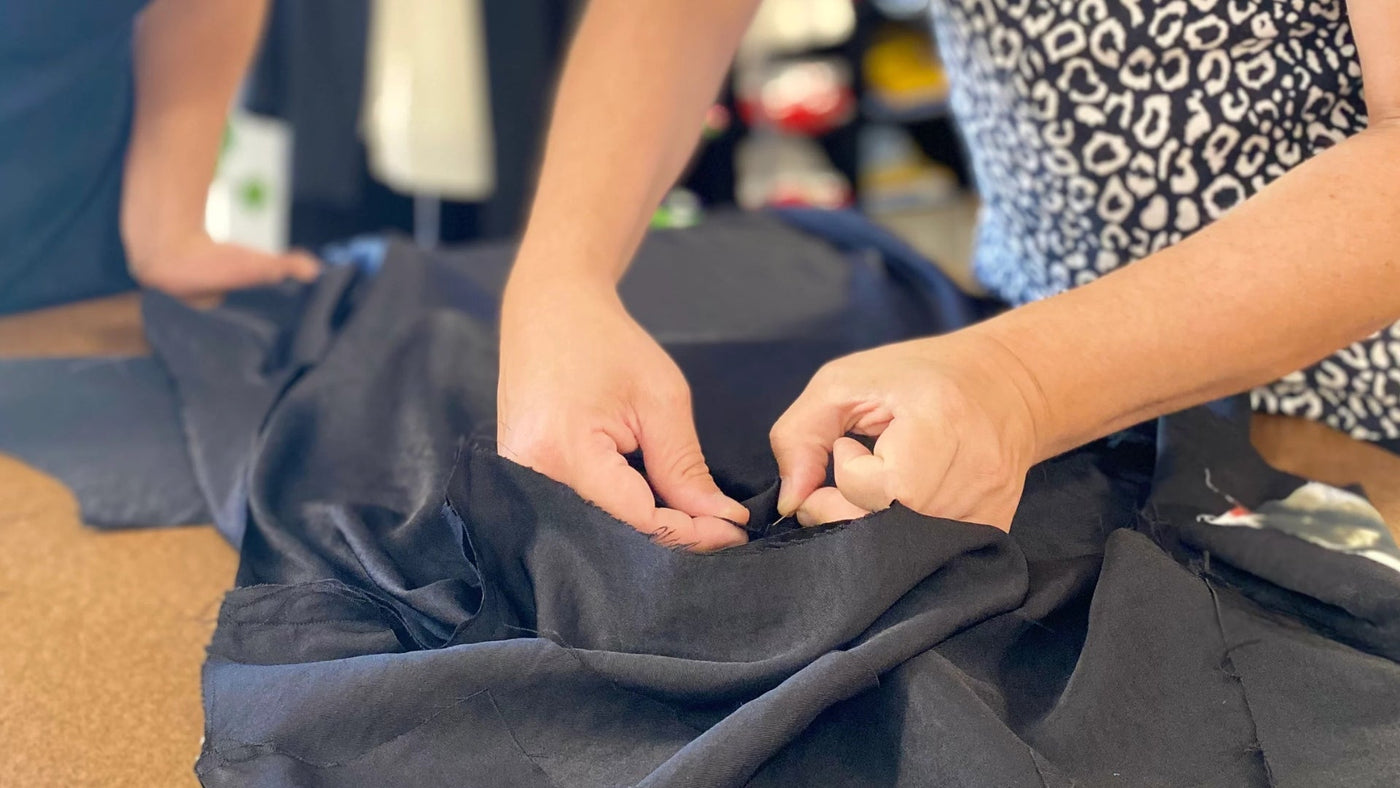
Moving Thread’s Alterations Workshop connects closely to this idea. Students bring garments from home that need attention, including pieces that need alterations, repairs or mending. The workshop focuses on brainstorming and problem-solving ways to refresh clothing, with step-by-step guidance for modifying and repairing garments.
Why Is Rewearing Clothes Important?
Rewearing is one of the most underrated parts of slow fashion. It sounds simple, but it is powerful. The more you wear and enjoy the clothes you already own, the more value you get from each piece.
Rewearing also helps you understand your real style. When you repeat outfits, adjust garments and build looks around pieces you genuinely like, your wardrobe becomes less about chasing trends and more about what actually works for your life.
Sometimes people do not rewear clothing because it almost fits, but not quite. Maybe the sleeves are too long, the waist sits strangely or the hemline feels wrong. Those are the exact kinds of issues that sewing and alterations can help solve. A small adjustment can turn an ignored piece into a wardrobe favorite.
How Can Upcycling Fit Into Slow Fashion?
Upcycling is a creative extension of slow fashion. It means taking something that already exists and giving it a new purpose, shape or style. While mending repairs what is broken and alterations improve fit, upcycling often reimagines the piece completely.
An old shirt might become a tote. Fabric from worn garments might become a patch pocket, pouch or accessory. A dress might be shortened, reshaped or combined with another piece. Upcycling is especially helpful for clothing that has good fabric but no longer works in its original form.
For beginners, upcycling does not need to be complicated. Start with small changes. Add a pocket. Shorten a hem. Turn fabric scraps into something useful. The more you practice, the easier it becomes to see creative potential in garments you may have once ignored.
Is Slow Fashion Only About Adults?
No. Slow fashion can be introduced to kids and families too. In fact, learning to sew at a young age can help children understand that clothing does not magically appear in stores. It is made by people, with tools, materials, time and skill.
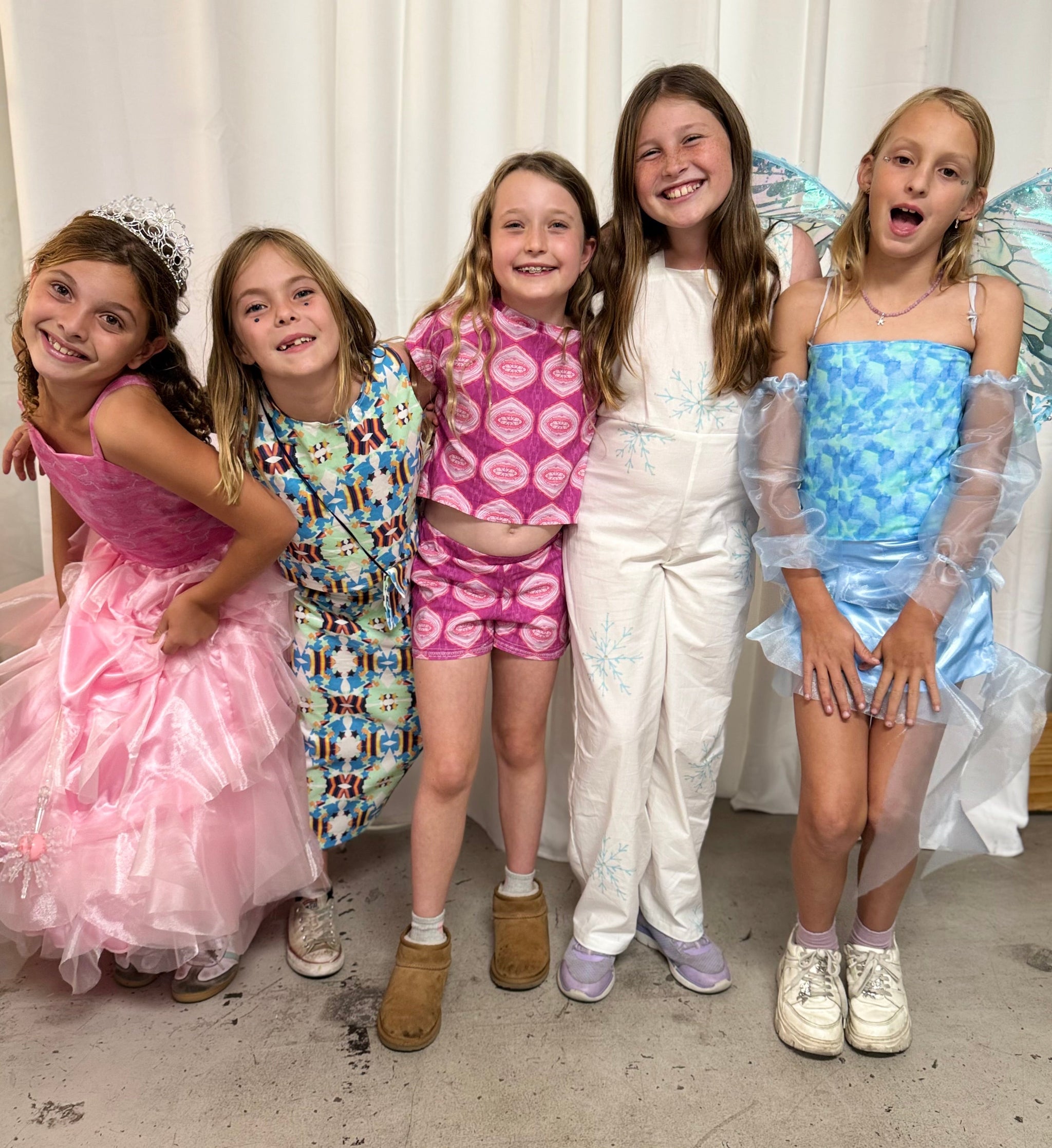
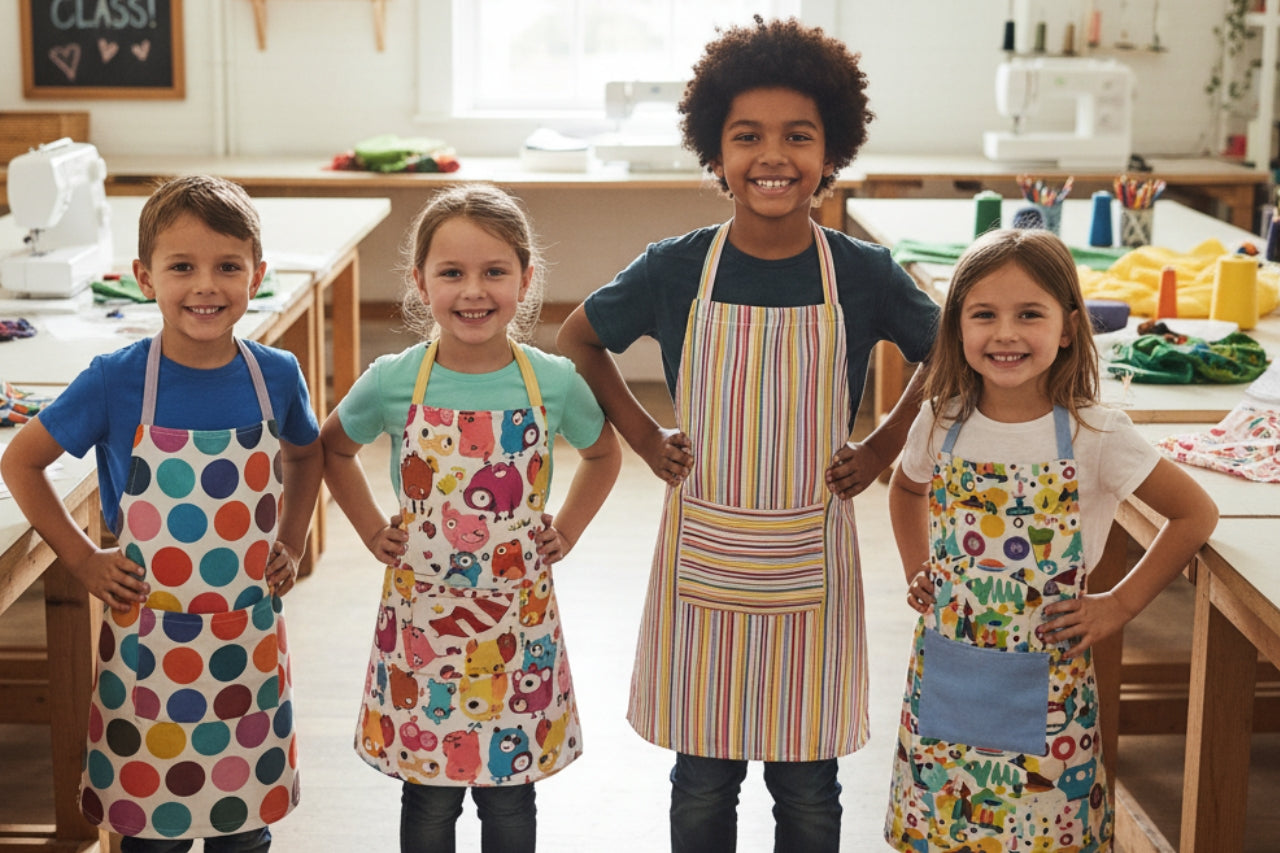
Moving Thread’s Kids Sewing Workshops are designed for ages 8 to 12 and include beginner-friendly projects such as scrunchies, reversible tote bags, zippered pouches, holiday stockings, skirts and tops. These workshops help kids build confidence while making something they can take home and feel proud of.
For families, the Parent and Child Intro to Sewing workshop creates a shared sewing experience. Parents and children learn the basics together, use sewing machines safely and complete a beginner-friendly project in a supportive studio setting. That kind of experience connects beautifully to slow fashion because it teaches making, patience and care through a hands-on memory.
What Are Easy Slow Fashion Habits to Start With?
Slow fashion does not have to begin with a full lifestyle change. It can start with a few practical habits:
- Rewear outfits without feeling the need to constantly buy something new
- Repair small issues before they become bigger problems
- Learn basic sewing machine skills
- Keep clothes that fit your real life, not just a future version of yourself
- Alter garments that almost work instead of replacing them
- Choose projects that help you use fabric more thoughtfully
- Take a class if you need guidance and confidence
- Buy less, but choose more intentionally
- Notice which pieces you actually wear and why
The goal is not perfection. The goal is awareness, care and a stronger connection to what you own.

How Can I Start Practicing Slow Fashion If I Do Not Sew Yet?
If you do not sew yet, the best first step is to learn the basics in a beginner-friendly environment. Trying to teach yourself can be frustrating if the machine jams, the thread tangles or the instructions feel unclear. A live class gives you support, structure and confidence.
At Moving Thread, complete beginners can start with Intro to Sewing, a three-hour workshop that covers machine setup, threading, basic stitches and a finished tote bag project. Students who want a more complete foundation can choose the Intro to Sewing 4 Week Workshop, which builds skills over multiple sessions and projects.
Once basic machine skills are in place, students can move toward workshops like Alterations Workshop, where they can work with garments from home and learn how to repair, refresh and alter clothing.
What Is the Best Moving Thread Workshop for Slow Fashion?
The best workshop depends on where you are in your sewing journey.
If you are completely new to sewing, start with Intro to Sewing. It gives you the foundation you need before working on clothing.
If you want a broader beginner experience, choose Intro to Sewing 4 Week Workshop. This is ideal for learning tools, construction, hems, pockets and simple garment sewing.
If you already know basic machine sewing, choose Alterations Workshop. This is the most direct fit for slow fashion because it focuses on garments you already own and helps you alter, mend and refresh them.
If you want individual help with a specific project or garment idea, a Private Sewing Workshop may be a good fit.
For younger makers and families, Kids Sewing Workshops and Parent and Child Intro to Sewing are meaningful ways to introduce sewing, creativity and making by hand.
Why Does Slow Fashion Build Creative Confidence?
Slow fashion builds creative confidence because it gives you proof that you can solve problems with your hands. You can take a garment that is not working and change it. You can start with fabric and finish with a useful project. You can repair something instead of giving up on it.
That confidence grows slowly, which is exactly why sewing fits the slow fashion mindset so well. Each project teaches patience, decision-making and trust in the process. You learn that mistakes can be fixed, garments can be adjusted and creativity can be practical.
Slow fashion is not only about what you wear. It is about how you think. It helps you move from consuming passively to creating actively.

Slow Fashion Starts With One Stitch
Slow fashion does not require a perfect wardrobe, advanced sewing skills or a complete rejection of modern fashion. It starts with one decision to care more about what you already own.
That decision might be repairing a seam, rewearing a favorite piece, learning how to use a sewing machine or bringing old garments into a workshop to see what they could become. Over time, those small choices change the way you relate to clothing.
Making, mending and rewearing clothes helps you build a wardrobe with more intention and more confidence. With the right skills and guidance, slow fashion becomes less of an idea and more of a daily practice.
At Moving Thread, workshops are designed to help students learn those skills in a welcoming, hands-on way. Whether you are starting with a tote bag, sewing your first pair of pants, mending garments from home or sharing a sewing experience with your child, every stitch is a step toward a more thoughtful relationship with clothing.