
Learning how to upcycle clothes is one of the most creative ways to refresh your wardrobe, reduce waste and turn pieces you already own into something you feel excited to wear again. Instead of letting old garments sit in the back of your closet, upcycling gives you the chance to look at them differently. A shirt can become a fitted top. A dress can be shortened, reshaped or repaired. A plain tote can become a creative everyday piece. Even small sewing changes can make clothing feel more personal, more useful and more connected to your style.
Upcycling is not about being perfect. It is about seeing potential. It is about taking something that already exists and asking, “What could this become?” For beginners, that can feel intimidating at first, especially if you have never used a sewing machine or altered clothing before. But with the right guidance, upcycling becomes a hands-on creative process that builds confidence one stitch at a time.
At Moving Thread in Los Angeles, many workshops are designed to help beginners and growing sewists become more comfortable with sewing machines, garment projects, alterations and creative problem-solving. Whether you want to learn the basics first, bring in clothing that needs a refresh or share a creative sewing experience with your child, upcycling can become a practical and inspiring part of your sewing journey.
What Does It Mean to Upcycle Clothes?
Upcycling clothes means taking garments you already own and changing them into something more useful, wearable or creative. Unlike simply donating or discarding clothing, upcycling keeps the original item in use while giving it a new purpose or personality.
This could be as simple as hemming a pair of pants so they finally fit properly. It could mean repairing a torn seam, adding a patch, reshaping a dress, turning a shirt into a crop top or combining fabrics from different garments into something completely new.
The goal is not always to create a dramatic transformation. Sometimes the best upcycling projects are small changes that make you reach for a piece again. A garment that once felt awkward, outdated or unfinished can become something you love wearing because it now fits your body, your taste and your lifestyle better.
Why Are People Learning How to Upcycle Clothes?
More people are learning how to upcycle clothes because they want to make better use of what they already have. Fashion can feel fast, disposable and overwhelming. Upcycling offers a slower, more thoughtful alternative.
Instead of constantly buying new pieces, upcycling encourages you to pause and look at your existing wardrobe with fresh eyes. Maybe a jacket only needs a small repair. Maybe a skirt needs a new hemline. Maybe a pair of pants could be adjusted instead of replaced. These changes can help you feel more connected to your clothing and more confident in your ability to make things work for you.
Upcycling also gives people a creative outlet with a real result. You are not just making something decorative. You are making something you can wear, carry, gift or use. That finished result is part of what makes sewing so satisfying.

Can Beginners Learn How to Upcycle Clothes?
Yes, beginners can absolutely learn how to upcycle clothes, but it helps to start with the right foundation. If you have never used a sewing machine before, jumping straight into altering your favorite garment may feel stressful. A beginner sewing class gives you the basic skills you need before you start cutting, pinning or changing clothing.
A good place to begin is learning how to set up and thread a sewing machine, practice basic stitches, understand fabric handling and complete a simple project from start to finish. Once those basics feel more comfortable, upcycling becomes much less intimidating.
Moving Thread’s Intro to Sewing workshop is designed for beginners and refreshers. Students learn the essentials of using a sewing machine, practice foundational stitches and complete a beginner project. For those who want a broader introduction, the Intro to Sewing 4 Week Workshop gives students more time to build confidence through multiple projects, including a reversible tote bag, a lined zippered pouch and a pair of pants.
That kind of foundation matters because upcycling requires problem-solving. Every garment is different. The more comfortable you are with basic sewing skills, the easier it becomes to look at an item of clothing and imagine what can be changed.
What Clothes Are Best for Upcycling?
The best clothes to upcycle are pieces that still have good fabric, interesting details or sentimental value, but are not currently being worn. Start with garments you are not afraid to experiment with. This makes the process more relaxed and less pressured.
Good beginner upcycling items include:
- Pants that need hemming
- Shirts that feel too plain
- Dresses that need small fit changes
- Garments with small tears or worn areas
- Clothes with fabric you love but a shape you do not wear
- Pieces that could be turned into bags, pouches or accessories
- Items that need new buttons, patches, trims or simple repairs
Try not to begin with very delicate, expensive or emotionally important clothing until you feel more confident. Upcycling works best when you can experiment, make decisions and learn from the process.

Easy Upcycling Ideas by Skill Level
Upcycling does not have to start with a complicated garment transformation. The best first project is usually small, useful and realistic for your current sewing level.
| Skill Level | Upcycling Project Idea | Why It Works |
|---|---|---|
| Beginner | Hem pants, skirts or dresses | Teaches measuring, pinning and straight stitching while improving fit. |
| Beginner | Repair a torn seam | Helps you keep clothing wearable with a simple, practical fix. |
| Beginner to Intermediate | Add a patch pocket or trim | Adds personality while building confidence with placement and stitching. |
| Intermediate | Turn an old shirt into a tote or pouch | Repurposes fabric into something useful and teaches construction basics. |
| Intermediate | Reshape a dress or top | Helps transform fit, style and wearability with guided alterations. |
What Are Easy Ways to Upcycle Clothes?
If you are new to sewing, start with simple upcycling ideas that do not require advanced pattern making or complicated construction.
Easy clothing upcycling ideas include:
- Hemming pants, skirts or dresses
- Cropping an oversized shirt
- Adding a patch pocket
- Turning fabric scraps into a small pouch
- Repairing a torn seam
- Adding decorative topstitching
- Replacing buttons
- Shortening sleeves
- Adding trim to a plain garment
- Turning an old shirt into a tote or drawstring bag
These projects may seem small, but they teach important sewing skills. You learn how fabric behaves, how seams are built, how measurements affect fit and how a simple change can make a garment feel more intentional.
How Can a Sewing Class Help With Upcycling?
A sewing class helps because upcycling often involves decisions that are easier to make with guidance. When you look at a garment alone, you may know something feels wrong, but not know why. Is it the length? The fit? The sleeve shape? The fabric weight? The seam placement?
In a workshop setting, an instructor can help you understand what is possible and what steps are needed. That makes the process less overwhelming.
Moving Thread’s Alterations Workshop is especially relevant for anyone interested in learning how to upcycle clothes. Students bring garments from home that need attention, whether for repairs, mending or alterations. The workshop is built around brainstorming and problem-solving ways to refresh clothing, with detailed guidance on how to make the changes.
Because the Alterations Workshop requires basic machine sewing skills, complete beginners may want to start with Intro to Sewing first. Once you understand the machine and basic stitches, you will feel more prepared to bring in garments that need adjusting, mending or reworking.
What If I Have a Specific Upcycling Project in Mind?
If you already have a project idea, a private sewing session may be the best fit. Some upcycling projects are very personal. You may want to change a garment for a specific event, learn how to repair something meaningful or get help turning an idea into a real piece.
Moving Thread’s Private Sewing Workshop can be tailored to your skill level and personal projects. That makes it a helpful option if you want focused support, individual attention or a custom approach to a clothing refresh.
Private guidance can be especially useful when you are unsure where to start. You may have a garment you love, but not know whether it should be hemmed, reshaped, repaired or completely transformed. Working through those decisions with an instructor can help you build both the project and your confidence.
Can Kids Learn About Upcycling Too?
Yes. Upcycling can be a wonderful way for kids to think differently about clothing, creativity and making things by hand. Even if a child is not ready for advanced garment alterations, beginner sewing projects can help them understand how fabric becomes something useful.
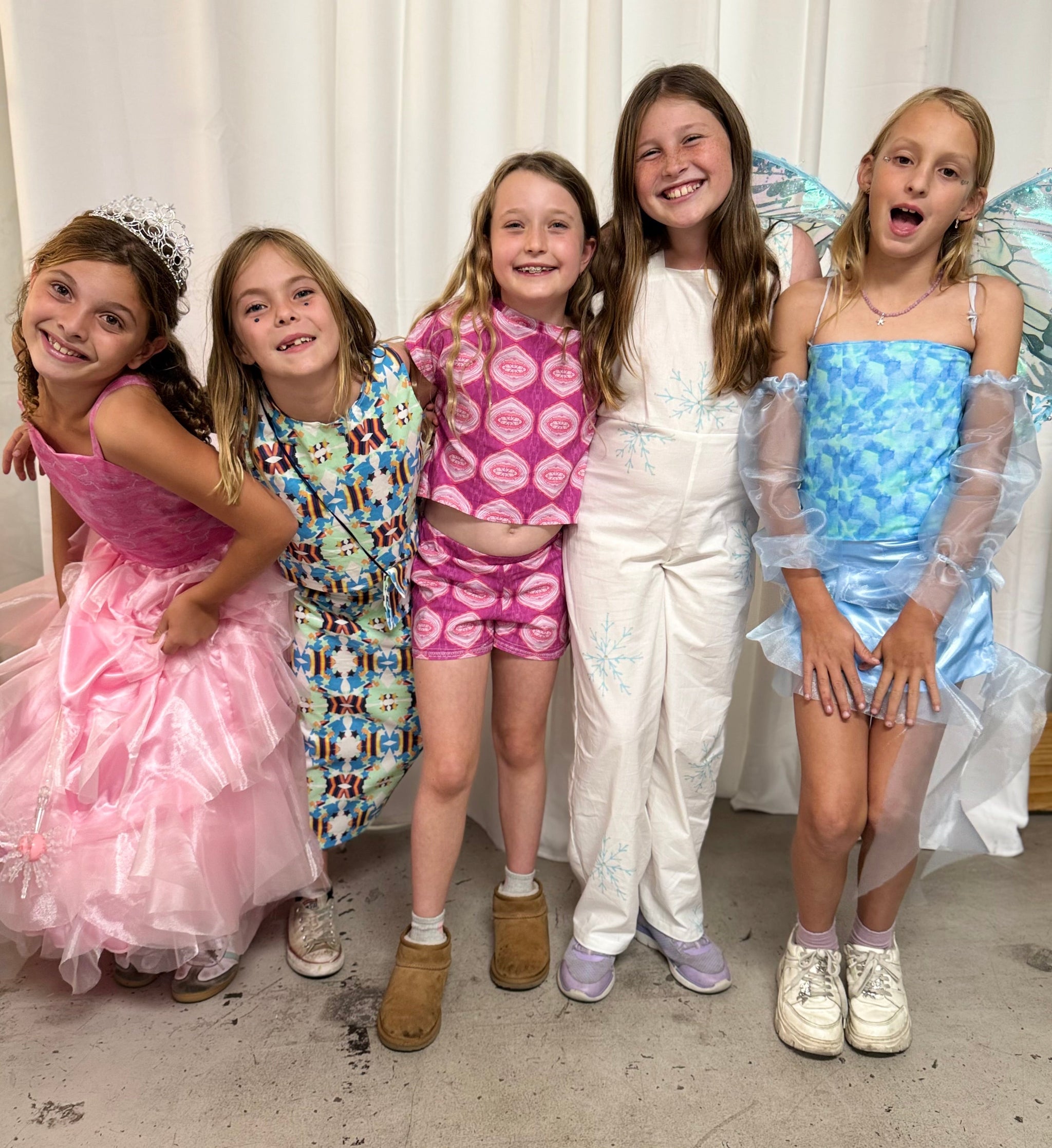
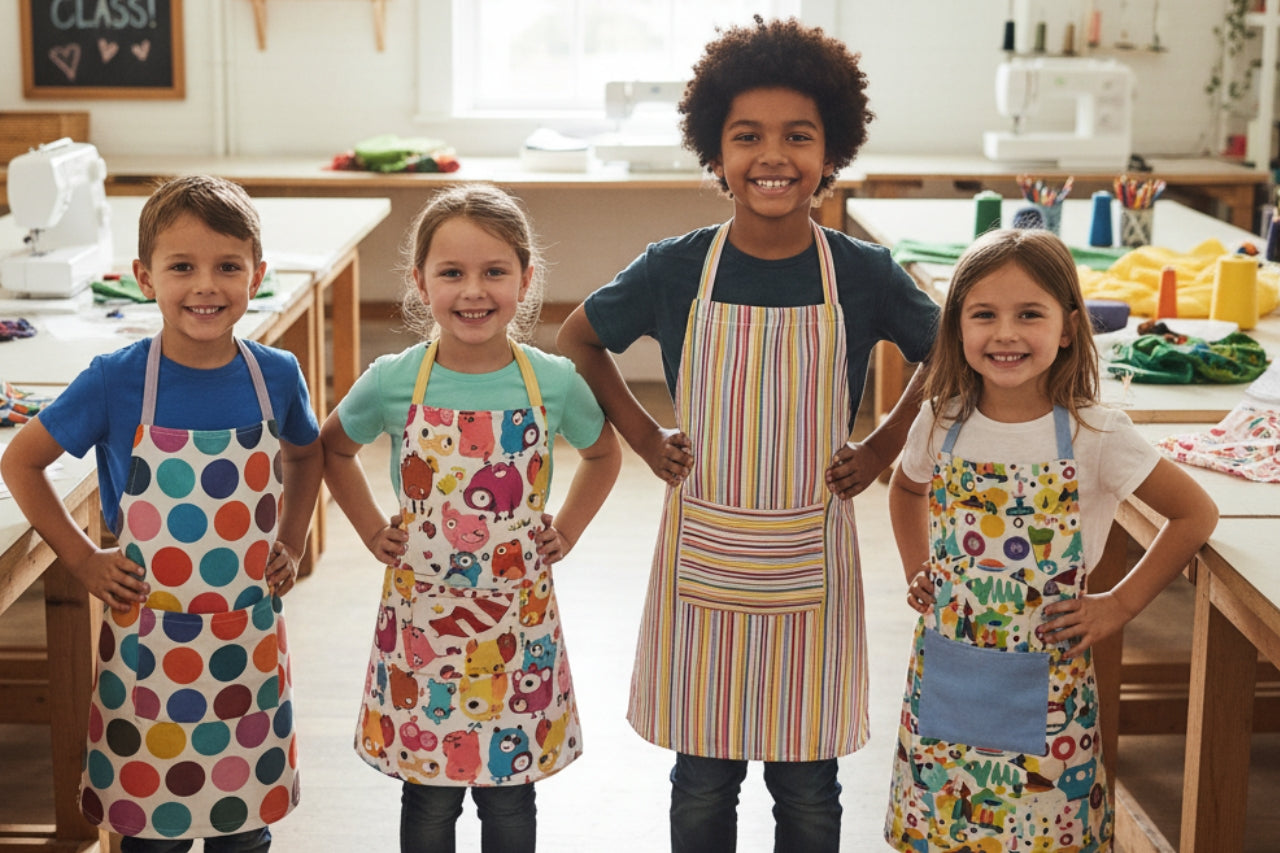
Moving Thread’s Kids Sewing Workshops are designed for ages 8 to 12 and include beginner-friendly projects like scrunchies, reversible tote bags, zippered pouches, skirts and tops. These projects help kids build sewing confidence while creating something they can take home.
For families who want to learn together, the Parent and Child Intro to Sewing workshop gives parents and children a shared beginner sewing experience. This is a lovely way to introduce upcycling values early: making, repairing, reusing and feeling proud of something made by hand.
Why Does Upcycling Feel So Rewarding?
Upcycling feels rewarding because it gives you a visible result. You start with something unused or imperfect and turn it into something better. That transformation is powerful.
There is also a sense of ownership that comes from changing clothing yourself. When you sew, mend or alter a garment, you understand it differently. You notice the seams, the fabric, the shape and the construction. You begin to see clothing as something you can interact with, not just something you buy.
That shift can be empowering. You are no longer stuck with clothing that almost works. You can learn how to adjust it, repair it, personalize it or imagine it in a new way.
How Do I Start Upcycling Clothes at Home?
Start small. Choose one garment that you do not wear often and ask yourself why. Is it too long? Too loose? Too plain? Slightly damaged? Missing a button? Once you understand the problem, you can think about the simplest possible fix.
Before cutting into anything, try the garment on and mark what you want to change. Use pins, clips or chalk if you have them. Look at similar garments you already like and compare the fit or length. If you are unsure, avoid making permanent changes until you have learned the basics or taken a class.
A simple first project could be hemming a pair of pants, repairing a seam or adding a patch pocket to a tote. As your skills grow, you can move into more creative transformations.
When Should I Take a Class Instead of Trying Alone?
You should consider taking a class if you feel stuck, nervous or unsure how to use a sewing machine safely. You may also want guidance if the garment matters to you or the alteration affects fit.
A class is helpful when:
- You are new to sewing machines
- You do not know how to thread a machine
- You want to learn proper basic stitches
- You have garments that need mending or alterations
- You want help deciding what is possible
- You prefer learning in a supportive, hands-on environment
- You want to finish a project instead of leaving it half done
At Moving Thread, beginners can start with Intro to Sewing or the Intro to Sewing 4 Week Workshop, while those with basic machine skills can explore the Alterations Workshop. For more personal upcycling goals, a Private Sewing Workshop may be the best fit.
How to Upcycle Clothes Without Feeling Overwhelmed
The easiest way to avoid overwhelm is to choose one small change at a time. You do not need to transform your entire wardrobe in one weekend. Start with one item and one goal.
Instead of thinking, “I need to remake this whole dress,” try asking:
- Can I shorten it?
- Can I repair it?
- Can I add a pocket?
- Can I change the straps?
- Can I turn the fabric into something else?
- Can I make it more comfortable?
- Can I make it feel more like me?
Upcycling is a creative process, and every project teaches you something. Even a simple repair builds your confidence for the next piece.
What Is the Best Workshop for Learning How to Upcycle Clothes?
The best workshop depends on your current skill level.
If you are a total beginner, start with Intro to Sewing. You will learn how to use the sewing machine, practice basic techniques and complete a beginner-friendly project.
If you want a deeper foundation, choose the Intro to Sewing 4 Week Workshop. This gives you more time to practice, complete multiple projects and build comfort with tools, construction and finishing.
If you already have basic machine sewing skills, the Alterations Workshop is the most direct fit for upcycling. You can bring garments from home and work on ways to alter, mend or refresh them.
For kids and families, the Parent and Child Intro to Sewing workshop is an excellent entry point into creative sewing, confidence-building and making something by hand.

Give Your Old Clothes a New Story
Learning how to upcycle clothes is about more than saving fabric from the landfill. It is about creativity, confidence and seeing possibility where you used to see clutter. A garment that no longer feels right does not always need to be thrown away. Sometimes it needs a new hem, a new shape, a repair, a pocket, a patch or a fresh idea.
Sewing gives you the skills to make those changes yourself. With each project, you become more comfortable with your hands, your tools and your own creative decisions.
Whether you are brand new to sewing or ready to bring in garments that need a second life, Moving Thread offers beginner-friendly and project-based workshops that can help you start. Upcycling begins with one piece, one idea and one stitch at a time.