Quilting Classes: From First Patchwork Block To A Quilt You Are Proud To Keep
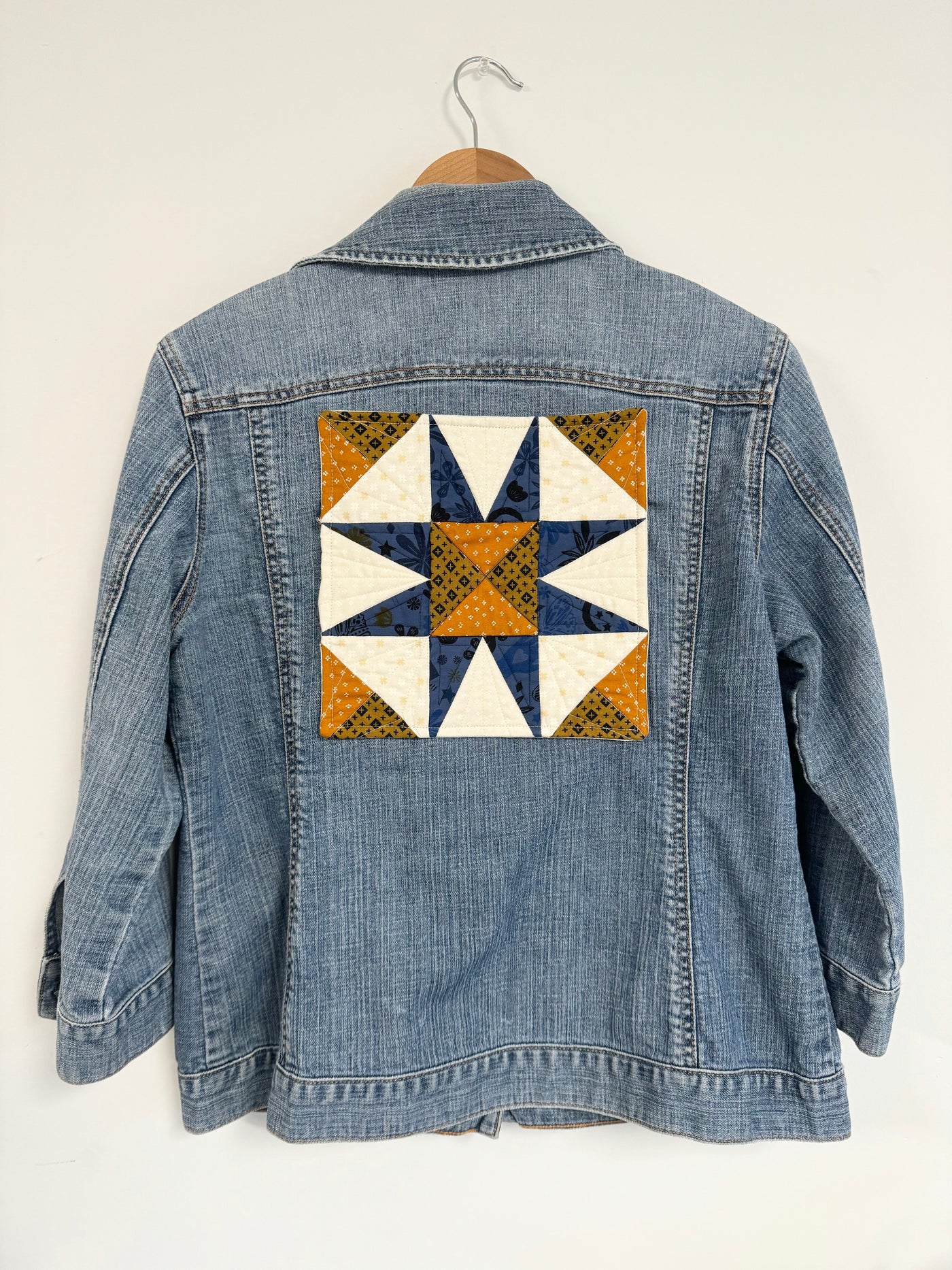
Quilting looks complex from the outside. Perfect points, tiny stitches, colors that somehow all work together. The truth is every quilt starts with simple blocks, straight seams, and a clear plan. That is what quilting classes are built to teach.
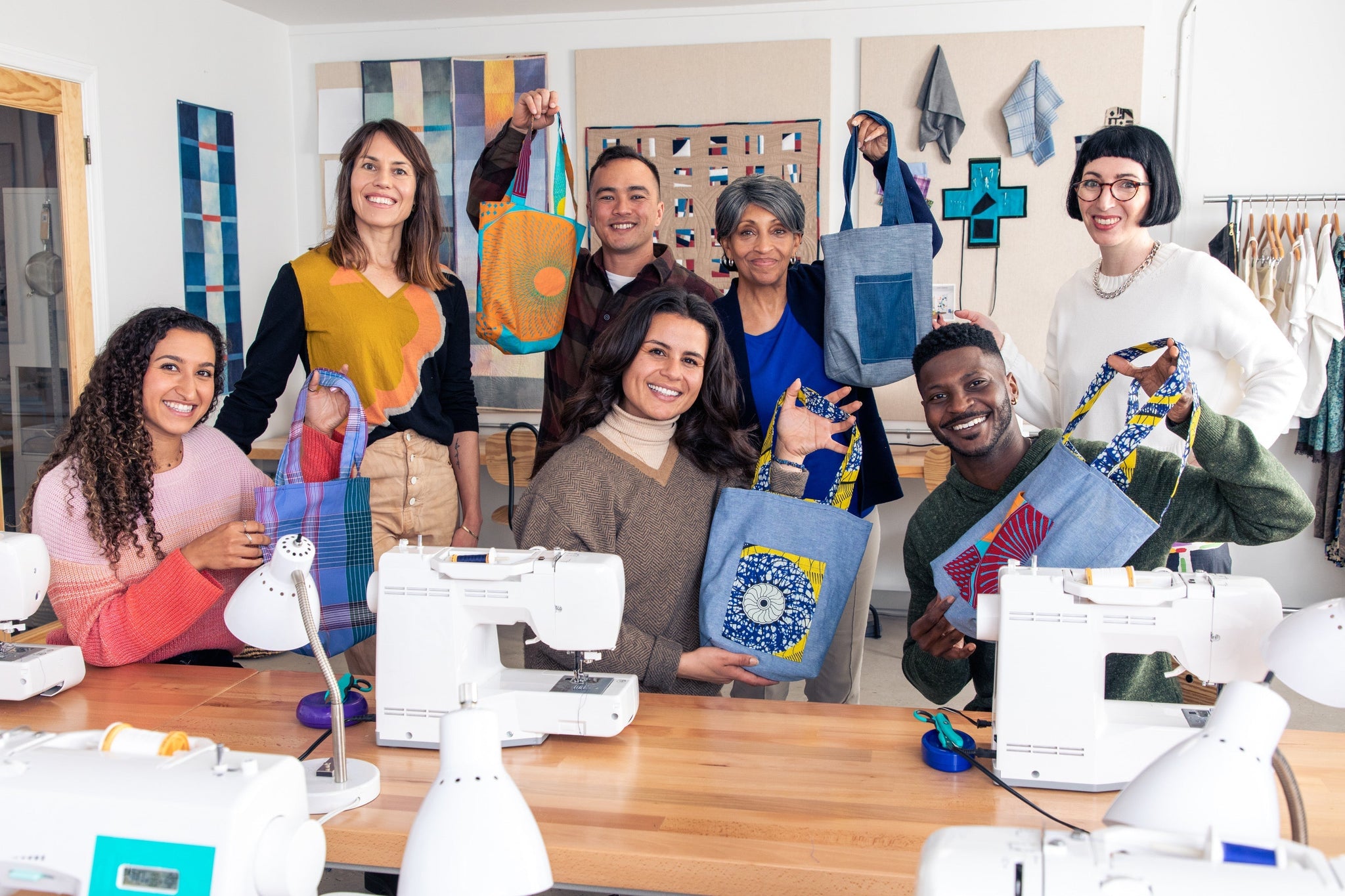
At studios like Moving Thread, you build the same core machine and construction skills quilters rely on every day. In this guide we will cover what you learn as a beginner, what a typical session feels like, and how to choose the right starting point from the workshops page.
Why Quilting Classes Are Worth It

You can start quilting at home, but a structured class helps you progress faster and with fewer frustrating mistakes. The biggest benefits are:
- Clean habits from day one so your cutting, pressing, and seams stay accurate
- Real-time feedback before small errors turn into misaligned blocks
- Confidence with tools like rotary cutters, rulers, and consistent seam allowances
Quilting is not only for giant bed quilts. Many beginners start with small projects like table runners, wall hangings, baby quilts, or lap quilts so they can learn the whole process without the overwhelm.
What You Learn In Beginner Quilting Classes
Most beginner pathways follow the same sequence: fabric selection, accurate cutting, piecing blocks, then finishing (quilting and binding). Here is what that usually looks like.
1. Choosing Fabric And Colours That Work Together
Good fabric choices make learning easier. In a beginner setting, you usually learn how to:
- Choose fabrics suited for quilting
- Use light, medium, and dark values for contrast
- Build simple colour palettes that feel balanced
You do not have to be a natural artist. Most instructors show examples and help you choose fabrics that work, so you can focus on technique.
2. Rotary Cutting And Accurate Measurements
Accuracy matters because small cutting errors stack up across multiple pieces. In class you practise:
- Using a rotary cutter, mat, and ruler safely
- Cutting strips and squares consistently
- Keeping blades sharp so edges stay clean
If you are very new to sewing machines, learning fundamentals first can make patchwork far easier. A longer foundation option is Intro To Sewing 4 Week Workshop.
3. Piecing Blocks With Consistent Seams
This is where quilting starts to feel satisfying. You learn how to:
- Sew a consistent quarter inch seam allowance
- Press seams to reduce bulk and help points line up
- Piece simple blocks using a repeatable method
Once you lock in seam consistency and pressing, blocks stop feeling intimidating and start feeling calm and predictable.
4. Finishing: Quilting And Binding
Quilting is more than the quilt top. Beginner projects often include an introduction to:
- Arranging blocks into a balanced layout
- Layering backing, batting, and top (the quilt sandwich)
- Simple machine quilting lines to secure layers
- Binding edges neatly so the quilt holds up over time
What A Class Session Feels Like
Most beginner sessions are calm, social, and structured. A typical class includes:
- Visual examples so you know what you are working toward
- Short demos on cutting, piecing, and pressing
- Hands-on work time with the instructor checking in as you go
- Help at the stuck points before you waste time unpicking
If you want practical details like what to bring and how workshops are structured, the FAQ covers it.
Quilting For Kids And Families
Quilting can be a great introduction to sewing because progress is visible block by block. For younger makers, it helps to start with safe machine habits and simple projects before moving into patchwork.
- Kids Sewing Workshops build control, safety, and confidence that translate well into quilting.
Choosing A Good Starting Point
If you are brand new, focus first on machine comfort and straight seams, then move into patchwork once you can sew a consistent quarter inch seam. Browse current options on the workshops page and choose the class that matches your skill level right now.
Quilting does not have to be overwhelming. One block at a time, you will build the skills that make the whole craft feel approachable.