
Finding the right easy sewing projects for beginners can make learning to sew much more enjoyable. Simple projects give you the chance to practice basic stitches, become comfortable with your sewing machine and build confidence without feeling overwhelmed.
The best beginner sewing projects are usually small, practical and forgiving. They do not require complicated pattern adjustments, advanced techniques or difficult fabrics. Instead, they help you focus on the core skills that every beginner needs.
If you prefer learning through hands-on guidance, Moving Thread offers beginner sewing classes in Los Angeles where you can practice essential sewing techniques while completing practical projects.
What Makes a Good Beginner Sewing Project?
A good beginner project should help you learn without introducing too many new techniques at once. Straight seams, simple shapes and stable fabrics are usually the easiest place to start.
| Beginner-Friendly Feature | Why It Helps |
|---|---|
| Straight seams | They are easier to control and help you practice sewing consistently. |
| Simple shapes | Rectangles and squares are easier to cut and assemble accurately. |
| Stable fabric | Cotton and similar woven fabrics are easier to handle than slippery or stretchy materials. |
| Few pattern pieces | Fewer pieces make construction easier to understand. |
| Practical result | Finishing something useful gives beginners a stronger sense of progress. |

1. Simple Tote Bag
A tote bag is one of the best projects for someone who is new to sewing. Most basic tote bags use simple rectangular fabric pieces and straight seams, making them ideal for practicing machine control.
With a tote bag, you can practice measuring, cutting fabric, sewing straight lines and attaching handles. It also gives you a useful finished item that you can actually use.
Moving Thread's Intro to Sewing class uses a tote bag as a beginner project, allowing new students to practice essential machine-sewing techniques in a practical way.
2. Cushion or Pillow Cover
A simple cushion cover is another excellent beginner project because it can be made using basic shapes and straight seams. An envelope-style cushion cover is especially beginner-friendly because it does not require a zipper.
This type of project teaches you how to measure accurately, keep fabric edges aligned and create clean corners.
3. Fabric Scrunchie
Scrunchies are small, quick sewing projects that are useful for practicing fabric handling. They involve sewing a fabric tube, inserting elastic and closing the opening securely.
Because they use only a small amount of fabric, scrunchies are also a good way to use leftover fabric from other projects.
4. Drawstring Bag
A drawstring bag introduces beginners to simple casing construction while still keeping the overall project easy to manage. You can make one for shoes, gifts, storage or small everyday items.
This project helps you practice straight seams, folded edges and basic construction order.

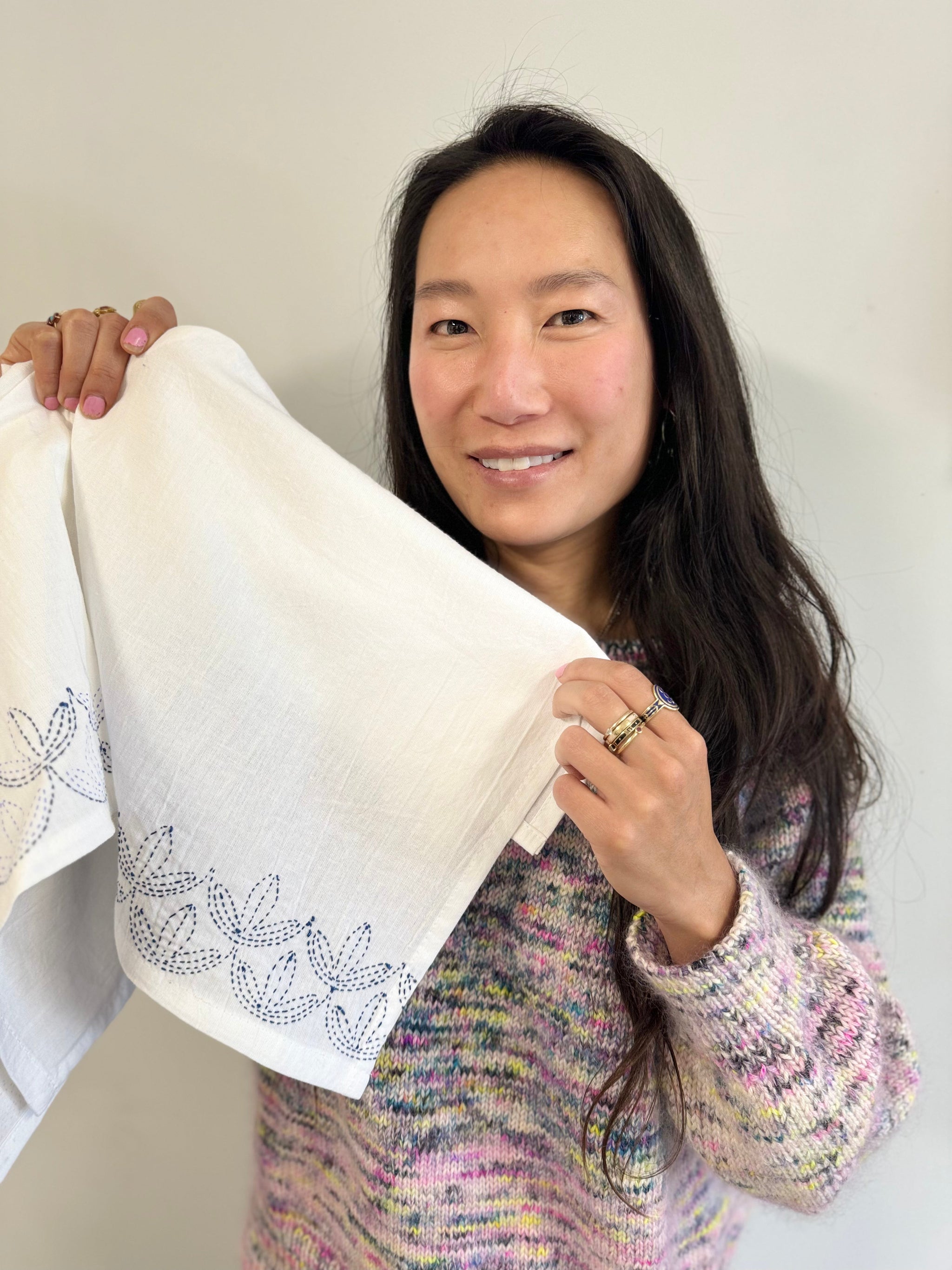
5. Reusable Fabric Napkins
Fabric napkins are one of the simplest projects for practicing neat hems. They are usually made from square pieces of woven fabric and can be completed without complicated construction.
Practicing hems is useful because the same technique appears in many clothing and home-sewing projects.
6. Simple Zipper Pouch
Once you feel comfortable with basic straight seams, a zipper pouch can be a good next step. It introduces you to sewing a zipper without requiring a complicated garment pattern.
If you have never installed a zipper before, work slowly and use scrap fabric to practice first. A zipper foot can make the process easier.
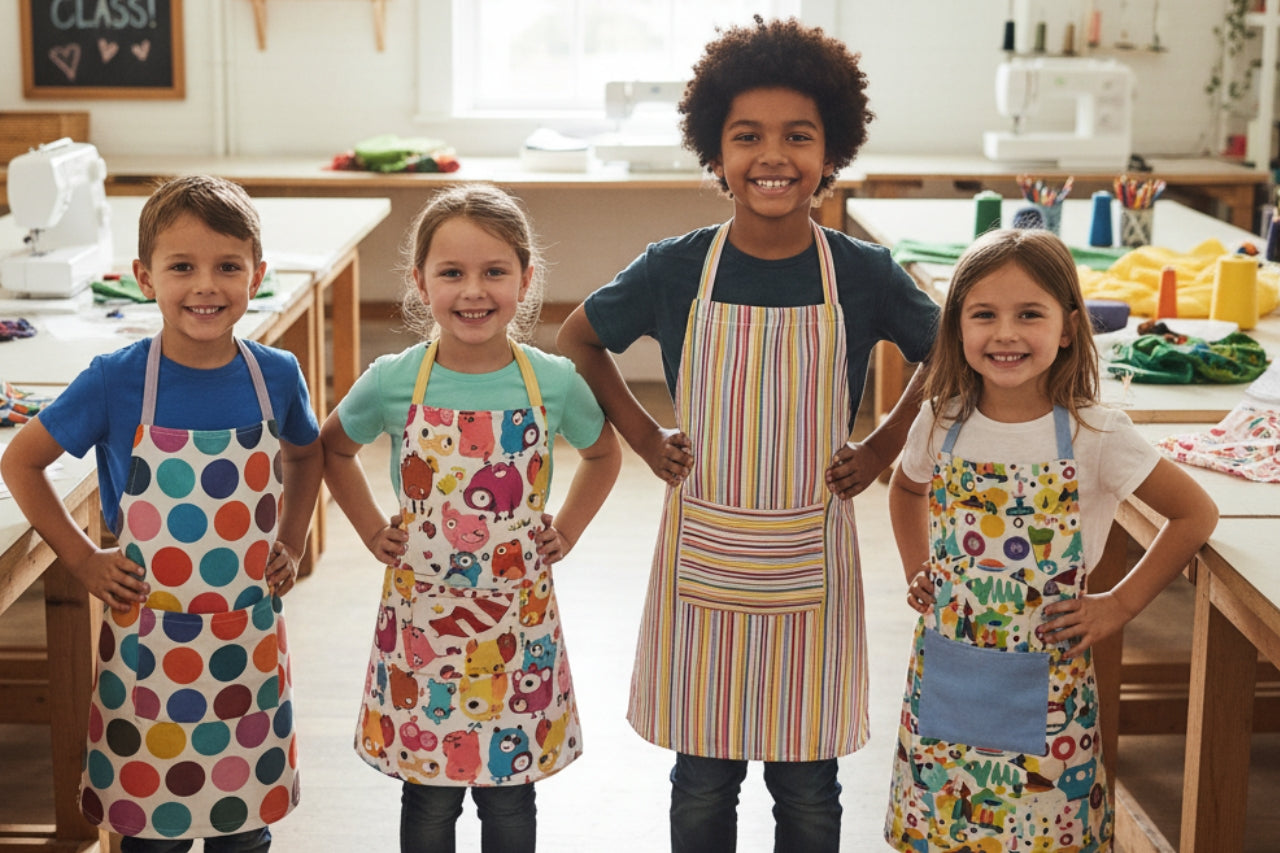
7. Basic Apron
A simple apron is a useful beginner garment project because the fit is forgiving compared with fitted clothing. Basic apron designs often involve straight seams, straps and simple hemming.
This is a good bridge between simple household projects and more structured clothing projects.
8. Fabric Headband
A basic fabric headband is another manageable project for beginners. Depending on the design, it can introduce elastic while still keeping the construction simple.
Projects like this also give you the opportunity to experiment with different fabrics and prints without using much material.
9. Simple Table Runner
A table runner is ideal for practicing long straight seams and clean hems. It can be as simple or decorative as you want, making it a flexible project for building confidence.
Because the design is mostly rectangular, it is also useful for practicing accurate measuring and cutting.
10. Reusable Shopping Bag
A reusable shopping bag is similar to a tote but can introduce additional details such as boxed corners, reinforced handles or lining once you are ready for a slightly more challenging project.
Starting with a basic version allows you to learn the construction process before adding more advanced details later.
Which Fabrics Are Best for Beginner Sewing Projects?
Fabric choice can make a major difference when you are learning. Stable woven fabrics are generally easier to cut, pin and sew than very stretchy, lightweight or slippery materials.
| Fabric | Beginner Suitability | Good For |
|---|---|---|
| Cotton | Excellent | Tote bags, napkins, cushion covers and small accessories |
| Canvas | Good | Bags and heavier projects |
| Linen blend | Good | Home projects and simple garments |
| Jersey knit | More challenging | Stretch clothing and fitted projects |
| Silky fabrics | More challenging | Advanced garments and decorative projects |
For beginners, plain or lightly patterned cotton is often a good place to start. You can learn more about the basic properties and uses of textiles before experimenting with more difficult materials.
What Sewing Skills Should Beginners Practice?
The purpose of easy sewing projects is not just to create something quickly. Each project should help you practice a useful skill that can be applied to more advanced sewing later.
- Sewing straight seams
- Maintaining a consistent seam allowance
- Pivoting around corners
- Pressing seams and hems
- Measuring and cutting fabric accurately
- Backstitching at the beginning and end of seams
- Guiding fabric without pulling it
- Following basic sewing instructions
If you are still getting comfortable with your machine, read our guide on how to use a sewing machine before starting your first project.

Should Beginners Use Sewing Patterns?
You do not need a complicated commercial pattern for every beginner project. Many simple items such as tote bags, napkins and drawstring bags can be made from basic measurements.
However, learning how patterns work is an important part of progressing into garment sewing. Start with patterns clearly marked as beginner-friendly and avoid designs with too many pieces, closures or advanced fitting requirements.
Our guide to sewing patterns for beginners explains how to choose and understand patterns when you are ready to take that next step.
How Many Beginner Sewing Projects Should You Complete Before Making Clothes?
There is no fixed number of projects you need to complete before you start sewing clothing. What matters more is whether you feel comfortable using your machine, sewing accurate seams and following instructions.
Completing a few smaller projects first can make garment sewing much less intimidating because you will already understand how the machine behaves and how fabric moves while you sew.
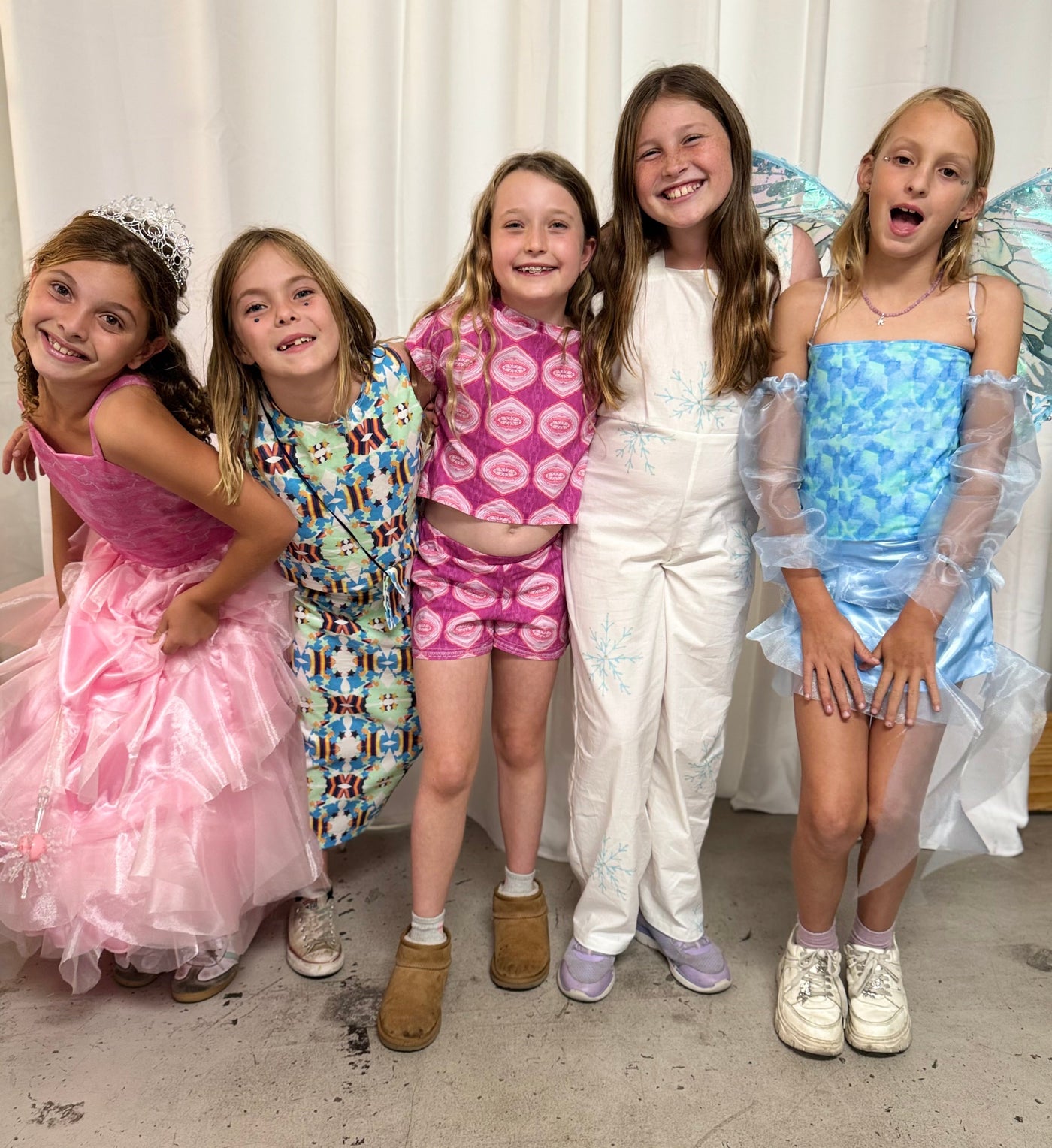
If clothing construction is your goal, Moving Thread also offers sewing workshops and classes that allow you to continue building practical sewing skills.
Start With Something Simple
The best easy sewing projects for beginners are projects that help you practice without making the learning process unnecessarily complicated. Start with something small, use a stable fabric and focus on sewing accurately rather than quickly.
A simple tote bag, cushion cover, drawstring bag or fabric accessory can teach you more than a complicated project that leaves you frustrated halfway through.
If you are in Los Angeles and want to learn through practical projects with guidance from an instructor, explore Moving Thread's beginner sewing classes and start building your skills one project at a time.
Frequently Asked Questions
What is the easiest sewing project for a beginner?
A simple tote bag, fabric napkin or cushion cover is a good first project because these designs mainly use straight seams and basic shapes.
What can I sew as a complete beginner?
Complete beginners can start with tote bags, drawstring bags, scrunchies, napkins, cushion covers, simple aprons and other projects that use stable fabrics and straightforward construction.
What fabric should a beginner use for sewing?
Medium-weight woven cotton is often one of the easiest fabrics for beginners because it is stable, easy to cut and generally straightforward to guide through a sewing machine.
Can beginners sew clothes?
Yes. Beginners can sew simple garments, but completing a few smaller projects first can make it easier to understand machine control, seams, hems and construction order.
Do I need a sewing pattern for beginner projects?
Not always. Many simple beginner projects can be made using basic measurements, while patterns become more useful when you move into fitted clothing or more detailed construction.