
Learning to sew can feel intimidating at first. There is the machine, the thread, the fabric, the strange little tools, and the fear that one wrong move will ruin everything. The good news is that sewing basics are much simpler when you learn them in the right order.
You do not need to become a fashion designer overnight. You do not need to understand every stitch, seam, fabric type or pattern symbol before you begin. What you need first is a strong foundation: how to use the machine safely, how to control your stitches, how to choose simple fabrics, and how to finish one beginner-friendly project without feeling lost.
At Moving Thread LA, beginner sewing is taught in a calm, practical way. You learn by doing, not by memorizing a hundred rules before touching the fabric. This guide walks through the sewing basics every beginner should understand before starting, and how those small first skills can grow into real creative confidence.
Why Sewing Basics Matter More Than Fancy Projects
It is tempting to start with the project you really want to make: a dress, a pair of pants, a quilted jacket or a perfectly fitted top. But sewing works best when the basics come first.
Sewing basics give you control. They help you understand why the thread keeps tangling, why the fabric is pulling, why your seam is crooked, or why the machine suddenly sounds angry. Once you understand the foundation, sewing stops feeling like a guessing game.
The most important beginner skills include:
-
Threading the sewing machine correctly
-
Winding and inserting the bobbin
-
Choosing the right needle and thread
-
Sewing straight lines and corners
-
Understanding seam allowance
-
Pressing fabric properly
-
Finishing simple seams
-
Completing a small project from start to finish
These are not “boring” skills. They are the skills that make every future project easier. A tote bag, a cushion cover, a pair of simple pants or a beginner garment all depend on the same foundation.

Start With The Sewing Machine
Your sewing machine is the first tool to understand. Many beginners are not actually scared of sewing. They are scared of the machine.
Before you start a real project, you should know the basic parts of the machine and what they do. That includes the spool pin, bobbin area, needle, presser foot, handwheel, stitch selector and foot pedal. You do not need to know every advanced setting at first, but you should feel comfortable turning the machine on, threading it and sewing a basic line.
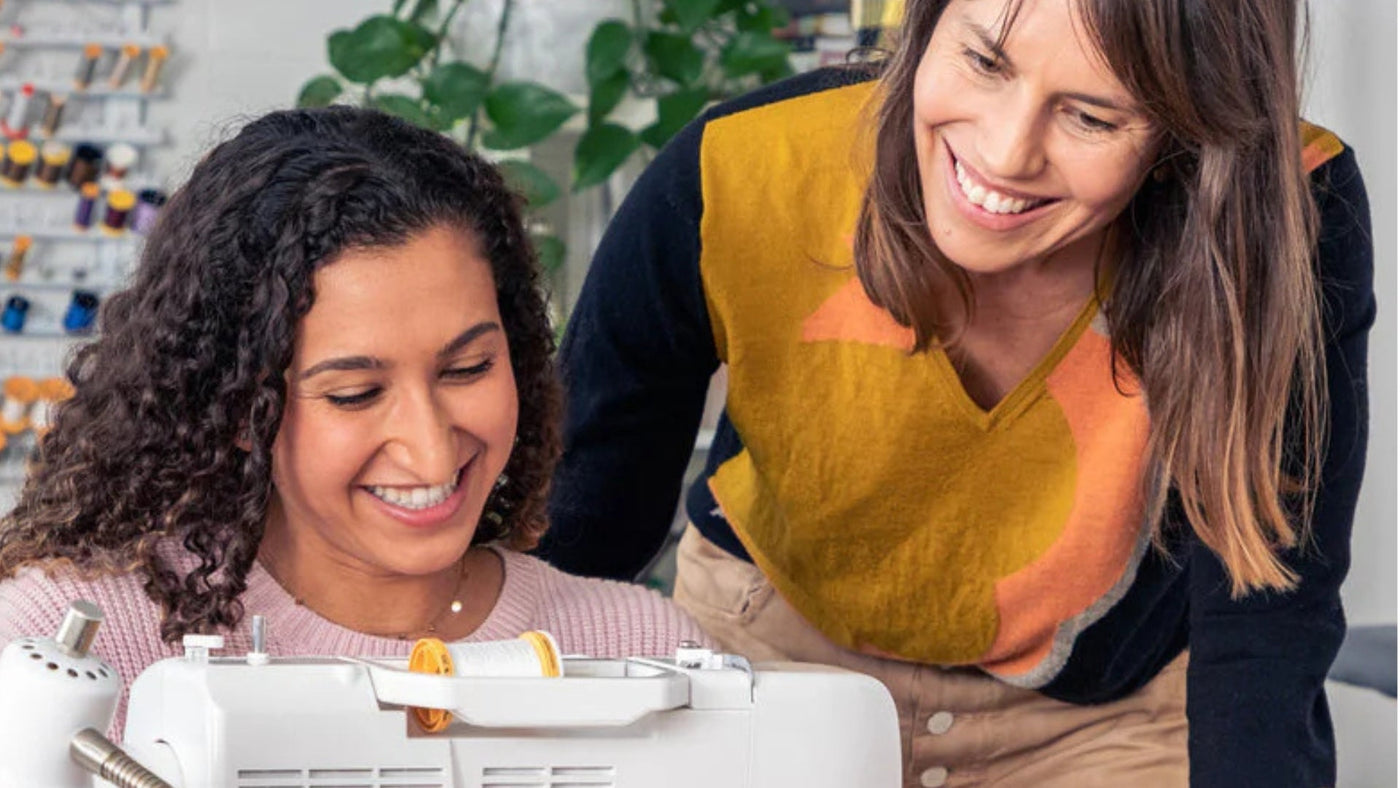
A beginner sewing class is useful because someone can watch what you are doing and correct small mistakes before they become frustrating. For example, a machine that keeps jamming may not be broken. It may simply be threaded incorrectly, or the bobbin may be inserted the wrong way.
In the Intro to Sewing class at Moving Thread LA, beginners learn how to set up and thread a sewing machine, practice basic stitches and complete a simple tote bag. That kind of project is ideal because it gives you a finished result while teaching the most important sewing basics in a manageable way.
The Beginner Sewing Basics Table
Here is a simple guide to the sewing basics beginners should learn first and why each one matters.
| Sewing Basic | What It Means | Why It Matters For Beginners |
|---|---|---|
| Threading the machine | Placing the top thread through the machine correctly | Prevents skipped stitches, thread nests and machine frustration |
| Winding the bobbin | Filling the lower thread spool evenly | Helps the machine stitch smoothly from top and bottom |
| Straight stitching | Sewing a clean line at an even pace | Builds control for almost every beginner project |
| Backstitching | Sewing backward briefly at the start and end of a seam | Secures the seam so it does not unravel |
| Seam allowance | The space between the stitch line and fabric edge | Helps pieces fit together correctly |
| Pressing | Using an iron to flatten seams as you sew | Makes beginner projects look cleaner and more professional |
| Cutting fabric | Cutting accurately along the pattern or measured line | Prevents uneven seams and distorted shapes |
| Finishing seams | Tidying raw fabric edges | Helps projects last longer and look more polished |
This table is also a good reminder that sewing is built step by step. You do not learn everything at once. Each small skill supports the next one.
Learn Fabric Before You Buy Too Much
Fabric stores are exciting, but they can also overwhelm beginners. There are shelves of cotton, linen, denim, silk, jersey, fleece, canvas and mystery blends. The wrong fabric can make an easy project feel impossible.
For your first projects, choose stable woven fabrics. Cotton, cotton blends, light canvas and quilting cotton are usually easier to control because they do not stretch too much while you sew. Stretchy fabrics can be wonderful later, but they are not always the easiest place to begin.
Beginner-friendly fabrics usually have these qualities:
-
They are not too slippery
-
They are not too stretchy
-
They are not too thick
-
They press well with an iron
-
They are easy to cut accurately
A simple tote bag is a great first project because it can be made with stable fabric, mostly straight seams and practical construction steps. You learn how to sew something useful without being overwhelmed by fit, curves or complicated shaping.
Simple Stitches Every Beginner Should Know
You do not need twenty decorative stitches when you are starting. Most beginner sewing relies on a few practical stitches used well.
The straight stitch is the most important. It is used for seams, hems, topstitching and many basic construction steps. Once you can sew straight lines with control, your confidence grows quickly.
The zigzag stitch is another useful beginner stitch. It can help finish raw edges, add flexibility and prevent some fabrics from fraying too much. You may also use a longer stitch for basting, which is temporary sewing used to hold pieces together before a final seam.
Start with these:
-
Straight stitch for basic seams
-
Backstitch for securing seams
-
Zigzag stitch for raw edges
-
Basting stitch for temporary placement
-
Topstitching for visible finishing lines
The goal is not speed. The goal is control. Slow sewing is still sewing, and it often produces better results than rushing.

Tools That Make Sewing Easier
You do not need to buy every sewing tool before your first class. In fact, buying too much too soon can make things more confusing. Start with a few essentials and learn how to use them properly.
A good beginner kit may include:
-
Fabric scissors
-
Measuring tape
-
Pins or sewing clips
-
Seam ripper
-
Tailor’s chalk or fabric marker
-
Hand sewing needles
-
Thread
-
A clear ruler
-
Iron and ironing board
The seam ripper deserves special mention. Beginners often feel embarrassed about unpicking stitches, but every sewer uses a seam ripper. It is not a sign that you failed. It is part of the process. Sewing teaches patience because mistakes can often be fixed.
If you are brand new, a class where materials and equipment are included can make the first step much easier. You can focus on learning instead of worrying whether you bought the wrong needle, thread or fabric.
What Should Your First Sewing Project Be?
Your first project should be simple, useful a beginner project should give you the satisfaction of completing something.
Good first sewing projects include:
-
Tote bags
-
Simple drawstring bags
-
Pillowcases
-
Fabric napkins
-
Basic pouches
-
Simple elastic waist garments
A tote bag is especially strong for beginners because it teaches straight seams, pressing, turning corners, handles and finishing. It also gives you something practical to use afterwards.
Try not to choose a first project with too many advanced challenges. Avoid slippery fabric, complicated fitting, zippers, linings and tiny curved pieces until you have more confidence. Those techniques can come later.
Common Beginner Mistakes And How To Avoid Them
Every beginner makes mistakes. That is not the problem. The problem is thinking those mistakes mean you are “bad at sewing.”
Here are common beginner sewing mistakes:
-
Pulling the fabric instead of guiding it
-
Forgetting to lower the presser foot
-
Threading the machine with the presser foot down
-
Using dull scissors on fabric
-
Skipping the pressing step
-
Cutting before checking measurements
-
Sewing too fast
-
Starting on a project that is too advanced
Most of these problems are easy to fix once someone explains what is happening. That is why guided instruction can save so much time. You learn the reason behind the mistake instead of fighting the same problem for weeks at home.

When A Beginner Class Makes Sense
You can learn some sewing basics online, but there is a limit to what videos can correct. A video cannot see your machine. It cannot notice your hands pulling the fabric. It cannot tell you that your bobbin is placed incorrectly or that your needle is wrong for your fabric.
A beginner sewing class makes sense if:
-
You have never used a sewing machine
-
You own a machine but feel nervous using it
-
You tried sewing before and gave up
-
You want to complete a real project
-
You learn better with hands-on guidance
-
You want to ask questions as you work
Moving Thread LA’s Intro to Sewing class is designed for first-time sewers and adults returning to sewing after a long break. It gives beginners a clear first step: learn the machine, practice basic stitches and leave with a finished tote bag.
If you prefer personal attention or have a specific project in mind, a Private Sewing Workshop can also be a good fit. It allows the session to be shaped around your skill level, your questions and your goals.
Where Sewing Basics Can Take You Next
Once you understand sewing basics, the whole world opens up. You can start making simple garments, adjusting clothes you already own, repairing seams, hemming pants, creating gifts or exploring quilting and patchwork.
Beginner sewing is not only about the first project. It is about changing your relationship with clothes and creativity. You begin to understand how things are made. You stop seeing a loose hem or bad fit as a reason to throw something away. You start seeing possibilities.
After learning the basics, you may want to explore:
-
Alterations and mending
-
Garment sewing
-
Quilting and patchwork
-
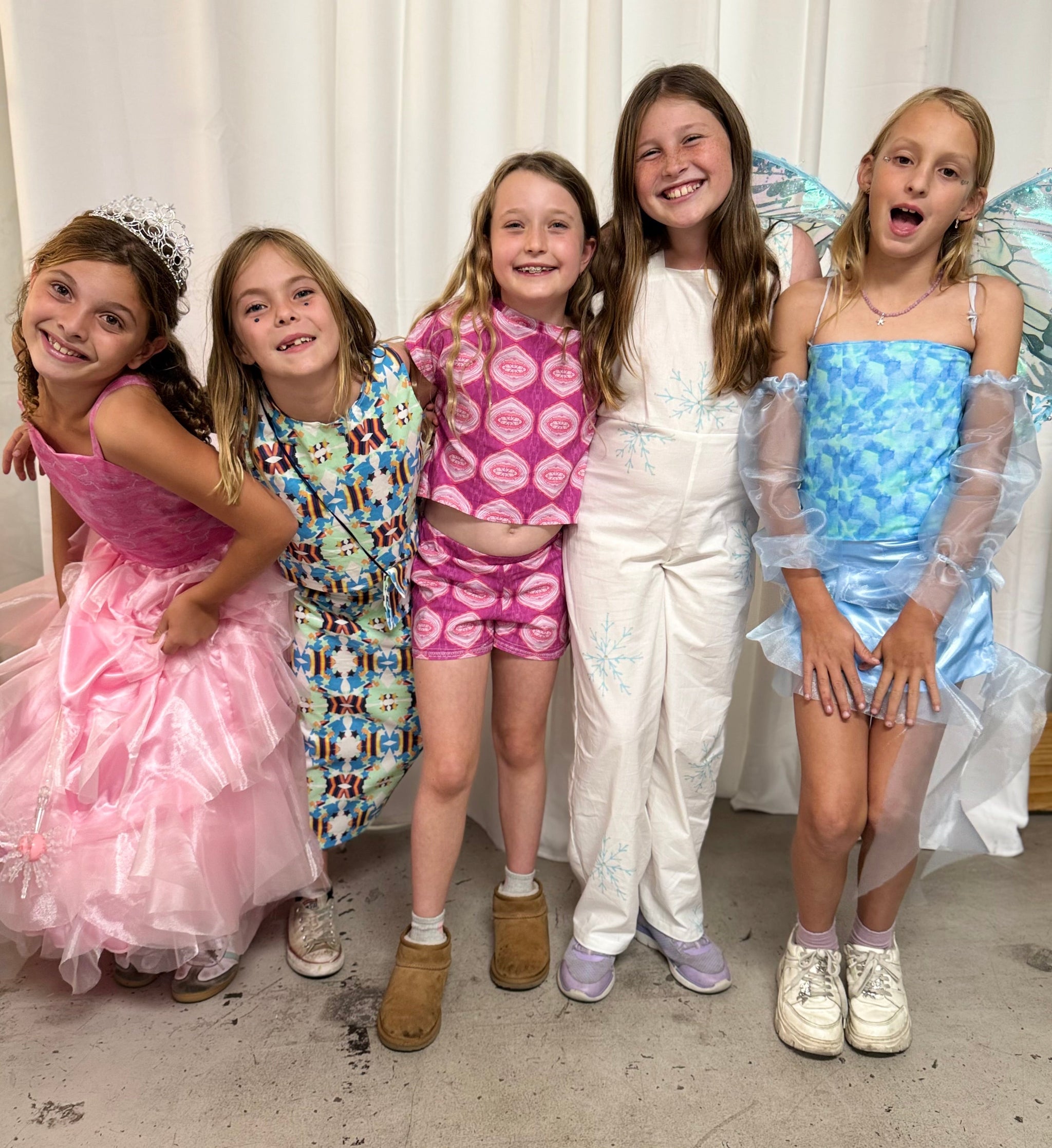
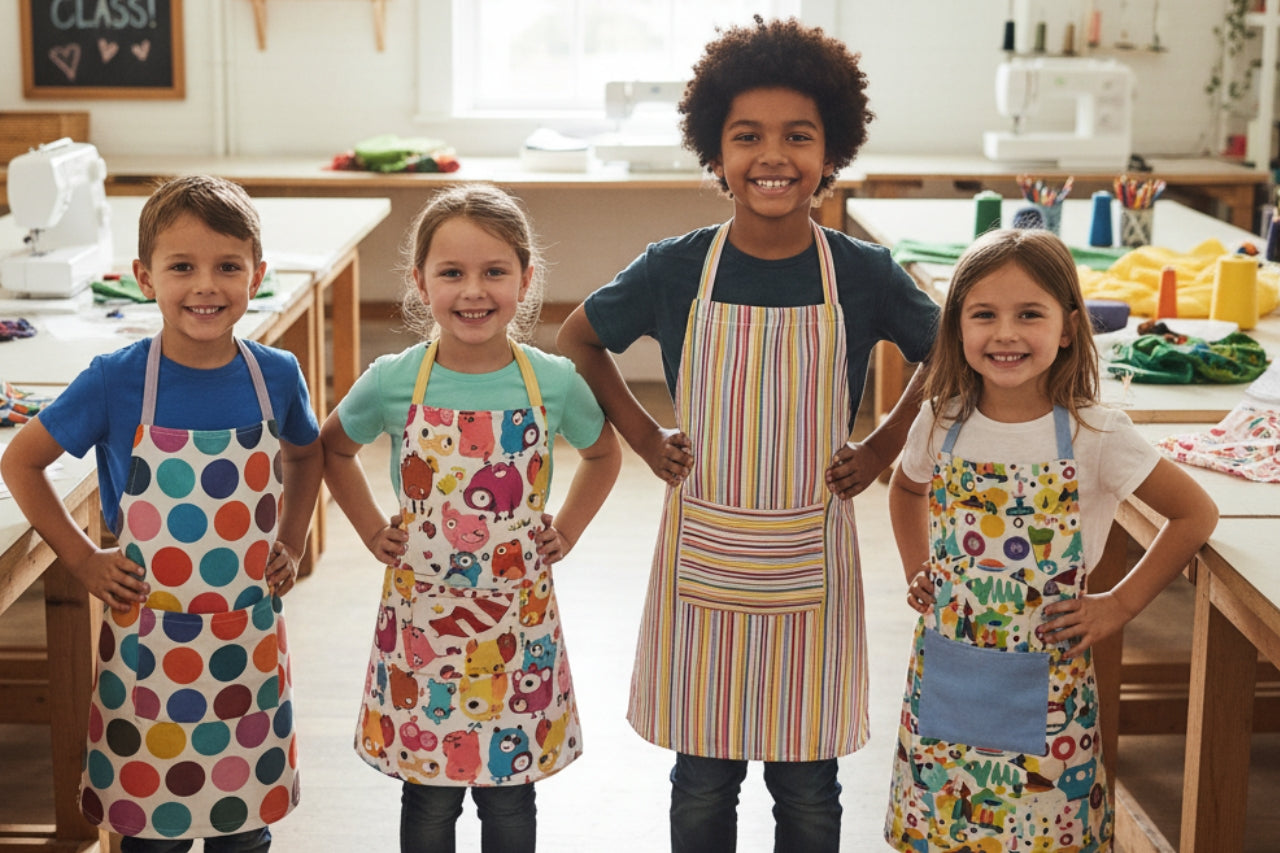
Kids or family sewing projects
-
Private lessons for a specific goal
-
More advanced workshops as your confidence grows
That is the real value of sewing. One small class can become a lifelong skill.
Ready To Learn The Sewing Basics?
If you are tired of guessing, fighting with your machine or putting off the creative projects you actually want to make, start with the basics.
A calm, beginner-friendly sewing class gives you the structure you need to understand the machine, practice simple stitches and complete a real project. You do not have to know everything before you begin. You only need to take the first step.
Browse the current workshops at Moving Thread LA, start with Intro to Sewing if you are brand new, or book a Private Sewing Workshop if you want one-on-one guidance. Once the sewing basics click, every future project becomes less intimidating and a lot more fun.