Choosing your first sewing machine should feel exciting, not stressful. With so many brands, models, stitches, and features available, it can be hard to know what actually matters when you are just starting out.

The best sewing machines for beginners are usually simple, reliable, and easy to understand. You do not need the most advanced machine to begin sewing. You need a machine that helps you practice, build confidence, and complete real projects without feeling overwhelmed.
At Moving Thread, beginners learn that sewing machines are tools, not obstacles. Once you understand threading, bobbins, stitch settings, speed control, and basic machine care, sewing becomes much more approachable.
What is the best sewing machine for beginners?
The best sewing machine for beginners is one that helps you learn the basics comfortably. A good starter machine should offer a straight stitch, zigzag stitch, buttonhole function, adjustable stitch length, easy threading, and a bobbin system that feels simple to use.
For most beginners, the goal is not to buy the machine with the most features. The goal is to buy a machine you will actually use. A beginner-friendly machine should help you sew simple seams, practice control, complete small projects, and feel encouraged to keep learning.
What features should beginners look for?
When looking for the best sewing machines, beginners should focus on useful features rather than complicated extras.
Helpful features include an easy threading path, a clear bobbin setup, adjustable stitch length, a few basic stitches, a built-in light, and a stable foot pedal. Speed control can also be helpful, especially for nervous beginners or younger sewers.
A machine with hundreds of decorative stitches may look impressive, but most beginners only use a few stitches at first. Simple, steady, and easy to operate is usually better than overly complicated.
Are computerized sewing machines good for beginners?
Computerized sewing machines can be good for beginners if the controls are clear and easy to follow. Some people enjoy digital stitch selection, speed control, and automatic features.
However, a computerized machine is not required. Many beginners do very well with a mechanical sewing machine that uses simple dials. The right choice depends on your comfort level, your budget, and the type of projects you want to make.
What is the best sewing machine for beginners under $300?
A sewing machine under $300 can be a good starting point for beginners, as long as it is reliable and has the basic features needed for learning.
In this price range, look for a machine that can handle simple seams, hemming, beginner garment projects, small crafts, and basic repairs. It should feel sturdy, easy to thread, and clear enough to use without constant frustration.
The best choice is not always the cheapest machine. A very low-cost machine that jams often or feels difficult to control can make sewing feel harder than it needs to be. It is better to choose a simple machine that supports regular practice.

Should beginners buy a cheap sewing machine?
A cheaper sewing machine can work for basic sewing, but beginners should avoid buying only based on price. If the machine is too flimsy, confusing, or unreliable, it can discourage you before you have had a real chance to learn.
A good beginner sewing machine should help you enjoy the process. It should feel steady, manageable, and practical for the types of projects you want to try.
What sewing machine is best for making clothes?
If you want to make clothes, choose a machine that can sew straight seams, finish edges with a zigzag stitch, create buttonholes, and handle light to medium-weight fabric.
For beginner garment sewing, useful features include adjustable stitch length, a free arm for sleeves and hems, a zipper foot, and good tension control. You do not need an industrial machine to start making clothes, but you do need a machine that helps you sew neatly and confidently.
If your goal is to start making wearable projects, Moving Thread’s Intro to Sewing workshop is a helpful place to begin. The Intro to Sewing 4 Week Workshop also gives beginners more time to build practical sewing skills through multiple projects.
What sewing machine is best for kids and teens?
For kids and teens, the best sewing machine is usually a stable, beginner-friendly machine that is easy to control and used with proper guidance. A real beginner machine is often better than a toy-style machine, especially if the child is ready to learn proper sewing skills.
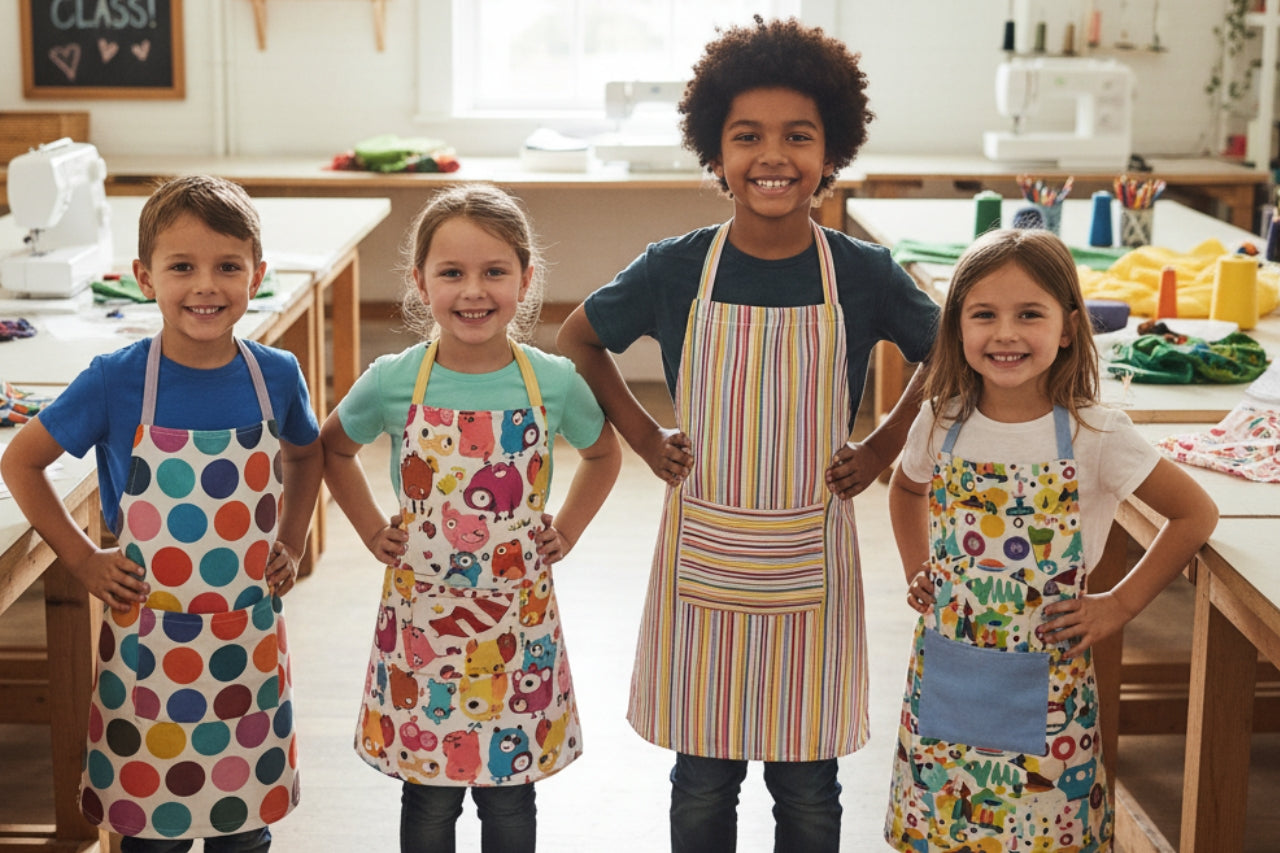
Younger sewers benefit from simple threading, clear speed control, good lighting, and age-appropriate projects. Moving Thread’s Kids Sewing Workshops help children learn sewing in a guided studio environment. Families can also try the Parent and Child Intro to Sewing, which allows a child and adult to learn together.

Do you need your own sewing machine before taking a class?
No. In fact, taking a sewing class before buying a machine can be a smart choice.
A class helps beginners understand what a sewing machine feels like, what features matter, and what kind of projects they enjoy. Instead of guessing online, you can learn the basics first and then make a more confident buying decision.
Moving Thread’s beginner workshops give students the chance to learn machine basics in a supportive setting before committing to a machine of their own.
What should you learn before buying a sewing machine?
Before buying a sewing machine, it helps to learn how to thread the machine, wind and insert a bobbin, sew a straight seam, backstitch, adjust stitch length, control speed, change a needle, and troubleshoot simple issues.
Once you understand those basics, sewing machine descriptions become much easier to compare. You will know which features are useful and which ones you may not need yet.
Is a sewing class better than learning alone?
For many beginners, yes. A sewing class can make sewing feel much less frustrating because you have someone there to guide you through the setup, correct small mistakes, and explain what is happening when the machine does not behave as expected.
Videos and manuals can be helpful, but they cannot always tell you why your thread is bunching, why your seam is uneven, or why your fabric is shifting. In-person guidance can help beginners build confidence faster.
Final answer: what are the best sewing machines for beginners?
The best sewing machines for beginners are reliable, simple, and comfortable to use. They should help you practice basic stitches, complete beginner projects, and keep learning without overwhelming you.
Before buying, think about your goals. Do you want to mend clothes, make garments, sew with your child, try quilting, or learn creative projects? Your answer will help you choose the right machine.
And if you are still unsure, start with a class. Learning the basics first can help you choose a machine with confidence and avoid buying features you do not need.
At Moving Thread, sewing begins with curiosity, practice, and the joy of making something with your own hands.